Description
Fedia scorpioides is an annual herbaceous plant belonging to the family Caprifoliaceae. Although it is not widely recognized as a major commercial agricultural crop, it remains a plant of scientific interest due to its unique evolutionary adaptations and its role in the ecosystem of Mediterranean arid regions.
The plant originates from the Mediterranean basin and North Africa, where it thrives in rocky, well-drained habitats. Its natural range is characterized by hot, dry summers and mild, wet winters. As an agricultural object, it is primarily studied for its potential in restoring degraded pasture lands in arid climates due to its natural resilience.
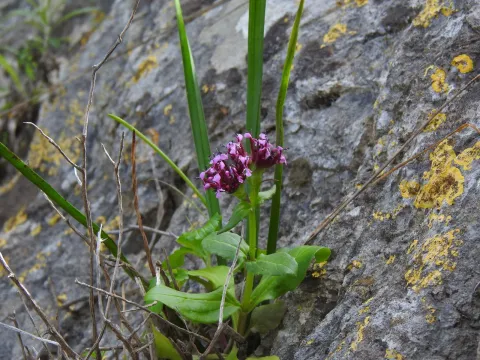
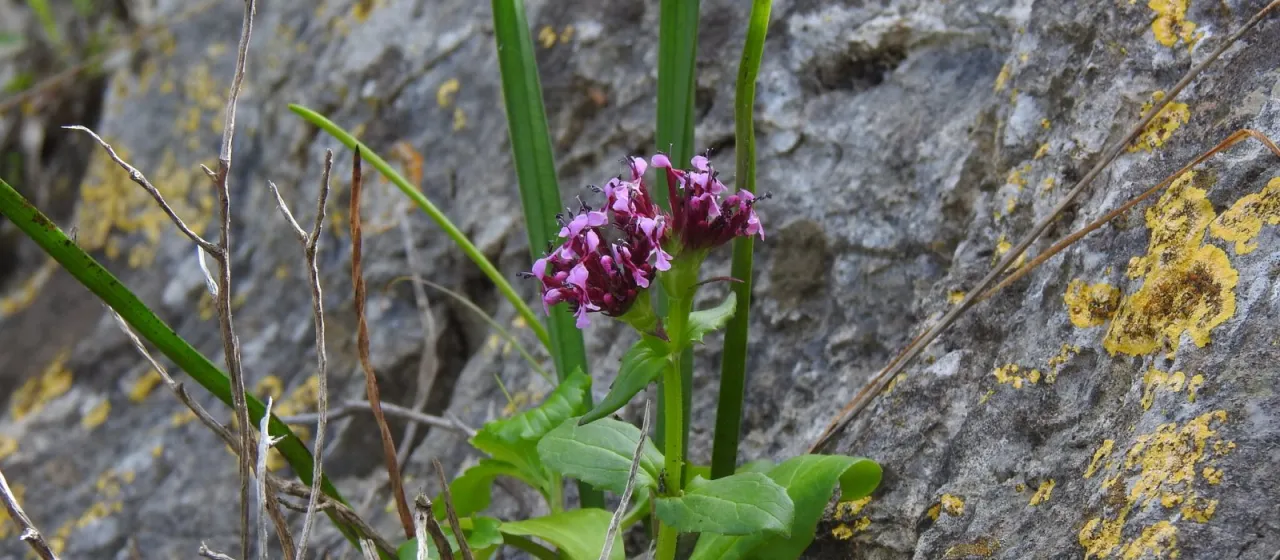
Botanically, Fedia scorpioides is characterized by a height of 20–40 cm with opposite leaves. The most distinct feature is its inflorescence; the floral structures curve significantly as they mature, resembling a scorpion's tail. This structural trait is specific to the species and allows for easy identification in the field.
Cultivation requirements for this species are specific. It demands high levels of solar radiation and porous, calcareous soils. Waterlogging must be strictly avoided, as the root system is highly susceptible to decay in stagnant water. In a controlled agricultural environment, planting should occur in well-ventilated areas with sandy or loamy soil composition.
The primary use of Fedia scorpioides is currently limited to botanical research and potential inclusion in sustainable grazing mixtures for arid zones. The plant may suffer from typical diseases such as powdery mildew or root rot if humidity levels remain consistently high. Pest management typically focuses on aphids, which are the most common insects affecting the Caprifoliaceae family.
Photo gallery