
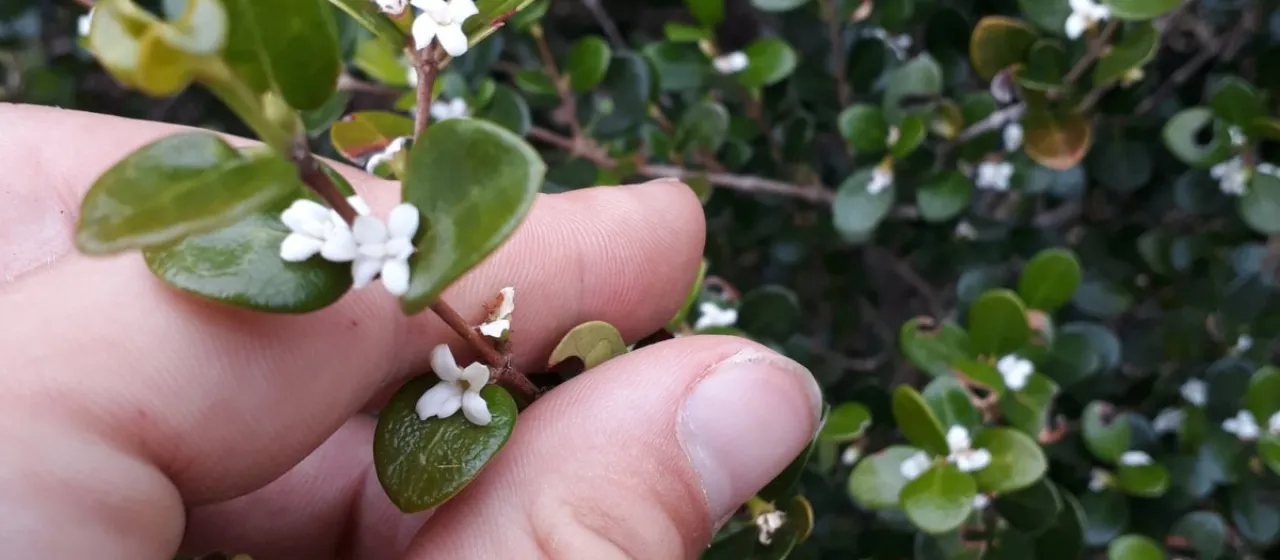
Description
Fernelia buxifolia is a distinctive evergreen shrub or small tree belonging to the Rubiaceae family. Known for its dense and compact growth habit, it is frequently compared to species of Buxus due to the visual similarity of its small, leathery leaves, which explains its specific epithet.
The species is endemic to the islands of the western Indian Ocean, specifically Mauritius. It has evolved to thrive in specialized niches within these tropical ecosystems, often found in limestone-rich soils or coastal environments. Its restricted natural range makes it a subject of conservation interest as well as a curiosity for botanical enthusiasts.
From a botanical standpoint, the plant is characterized by its opposite, elliptical leaves and small, tubular flowers that emerge from axillary clusters. These flowers are typical of the Rubiaceae family and contribute to the plant's delicate aesthetic. Its slow growth rate is a hallmark of the species, requiring patience from those involved in its cultivation.
Cultivation requirements necessitate a climate that mimics its native habitat, specifically avoiding temperature drops and ensuring high atmospheric humidity. The soil should be well-drained, fertile, and slightly alkaline or neutral. Proper management of irrigation is crucial, as the root system is sensitive to waterlogging, which can lead to rapid decay.
- Requires consistent, warm temperatures throughout the year.
- Prefers bright, indirect light to maintain foliage density.
- Benefits from occasional pruning to maintain a tidy shape.
- Needs a high-quality, free-draining potting medium.
In terms of хозяйственное (economic) and horticultural use, Fernelia buxifolia is primarily grown in botanical collections and high-end landscaping projects in tropical climates. It is highly valued for its year-round decorative foliage. Typical pests include scale insects and spider mites, which can be mitigated through regular monitoring and appropriate environmental control, while fungal issues can be prevented by ensuring good airflow around the canopy.