
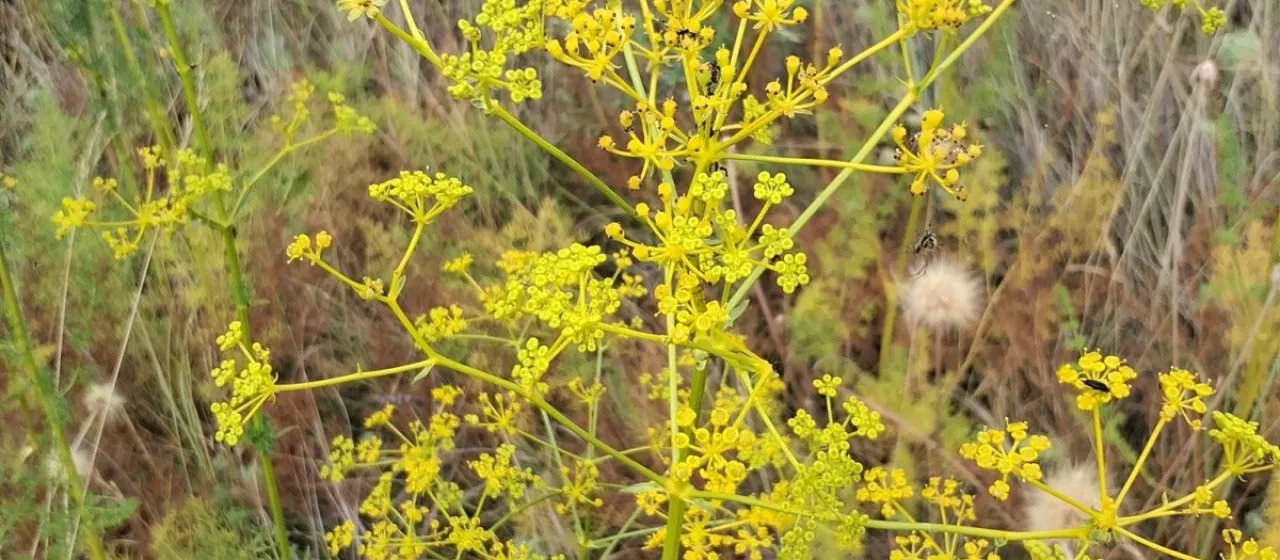
Description
Ferulago galbanifera is a perennial herbaceous plant belonging to the Apiaceae (celery) family. It is recognized in agricultural science as a potential source of essential oils and specialized compounds, characterized by a robust root system and distinctive growth patterns common to its botanical family.
Originating from parts of Central and Southern Europe and Western Asia, this plant thrives in rocky terrains and open grassy habitats. In modern agriculture, it is cultivated in regions that mirror its natural climate requirements, typically characterized by temperate conditions with well-defined seasonal changes.
Botanically, Ferulago galbanifera is defined by its tall, sturdy stalks, which can exceed 1.5 meters, and finely dissected foliage. The plant produces complex umbels of small yellow flowers during the late spring and summer months, which are highly attractive to pollinators. Its fruits are schizocarps containing rich aromatic resins.
The agronomic requirements for this crop focus on well-drained, nutrient-rich soils that prevent moisture stagnation, as the roots are sensitive to waterlogging. Maintenance involves routine weed management during the early establishment phase and monitoring for soil moisture levels, as the plant exhibits high tolerance to drought once fully established.
Economic applications for this crop include the extraction of aromatic oils for perfume and medicine, as well as potential use in specialized herbal pharmacology. Common pests and diseases affecting this crop include aphids, which often feed on the tender stalks, and fungal rots that may occur in poorly drained field conditions.