Description
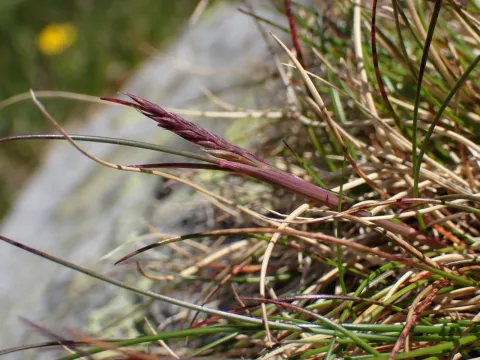
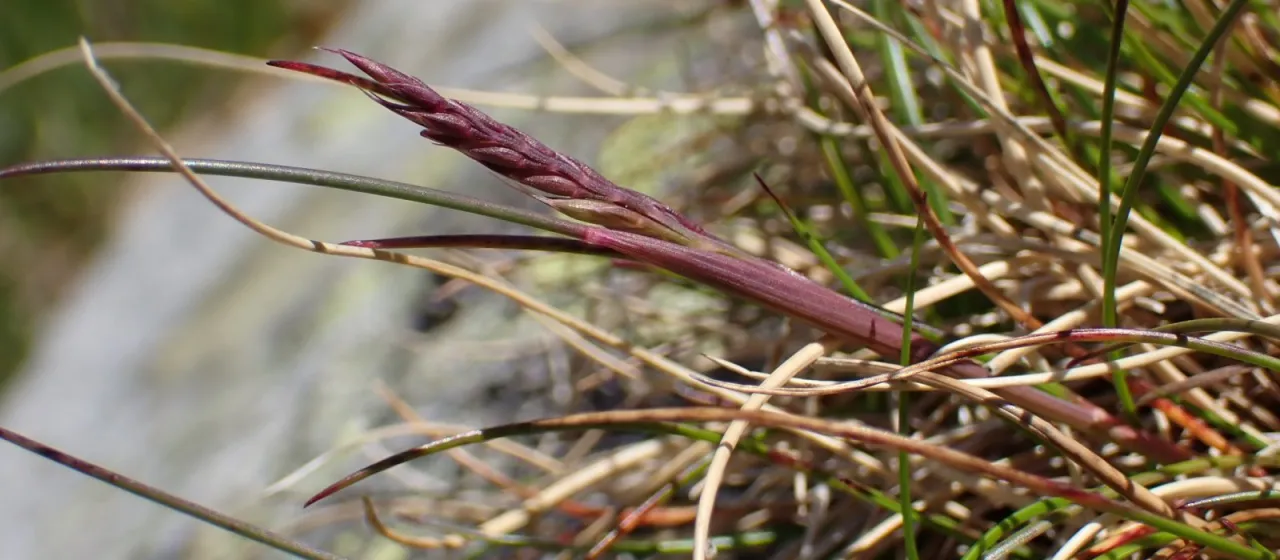
Airoides fescue (Festuca airoides) is a perennial grass species belonging to the Poaceae family. It is a low-growing, compact plant known for forming dense, firm tufts. This species is native to mountainous regions and is highly valued for its ability to thrive in challenging environmental conditions where other plants struggle to survive.
The geographical distribution of Festuca airoides primarily covers the high-altitude areas of Europe and Asia. It is typically found in alpine and subalpine zones, growing on rocky outcrops, stony slopes, and thin, nutrient-poor soils. Its natural habitat is characterized by short growing seasons and intense exposure to sunlight and wind.
Botanically, the plant is distinguished by its thin, rigid, bristle-like leaves that form a neat basal rosette. During the flowering stage, it produces delicate, thin panicles that rise above the foliage. Its root system is fibrous and deep, allowing the plant to anchor itself firmly in loose soil and extract nutrients efficiently from rocky substrates.
Cultivation requirements for airoides fescue focus on well-drained, sandy, or rocky soil types with a neutral to slightly acidic pH. It is a highly drought-tolerant species that thrives in full sun. In agricultural or gardening settings, it requires minimal intervention, primarily focusing on periodic division of clumps to prevent thinning and maintaining appropriate drainage.
- Requires full sunlight for optimal growth.
- Thrives in lean, well-draining soils.
- Excellent for rock gardens and erosion control.
- Requires little to no fertilization.
The primary economic and ornamental use of this grass is in rock garden design and alpine landscaping. Because it is highly resistant to both frost and heat, it serves as a low-maintenance ground cover. The species is generally hardy and shows strong resistance to common pests and diseases, provided that waterlogging is prevented to avoid root decay.
Photo gallery