
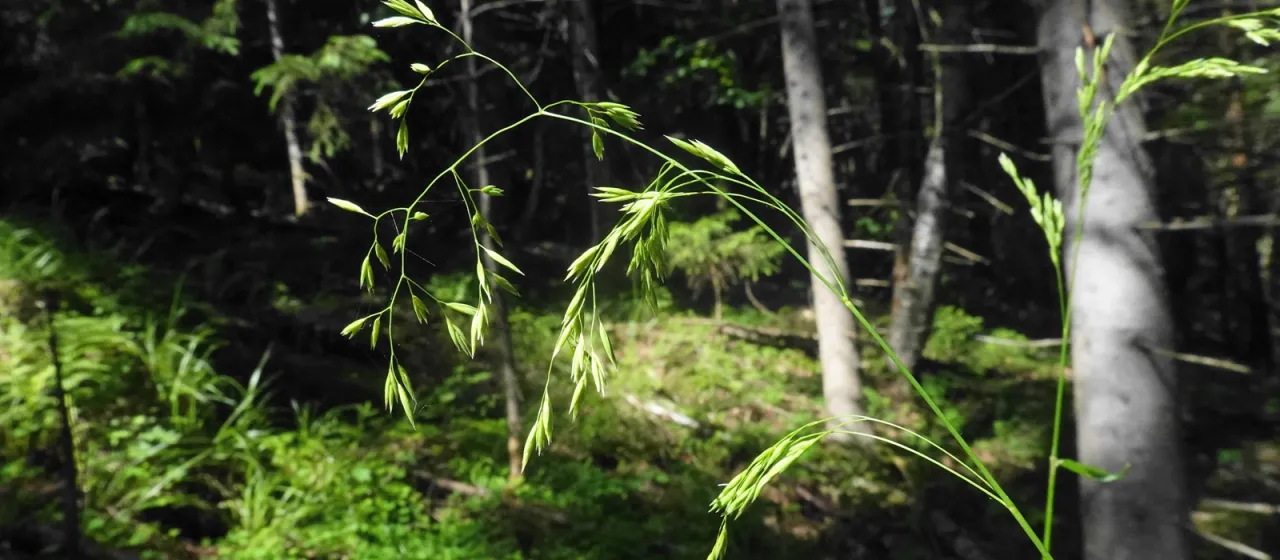
Description
Wood fescue, scientifically known as Festuca altissima, is a perennial grass species belonging to the Poaceae family. This plant is well-adapted to shaded forest environments and is recognized for its robust growth habit. It forms dense tussocks that play a vital role in maintaining the integrity of forest soils and provide high-quality forage in specific woodland agro-systems.
The native range of this species covers the temperate forest zones of Europe and parts of Asia. It is commonly found in broad-leaved and mixed forests where the soil is rich in organic matter and retains moisture. Unlike typical meadow grasses, wood fescue has evolved to thrive in low-light conditions, making it an excellent candidate for forest-based grazing and biodiversity restoration projects.
Botanically, the plant is characterized by tall, sturdy culms reaching heights of 100 to 150 cm. The leaves are narrow, deep green, and typically grow in dense basal clusters. The inflorescence is a large, spreading panicle that produces viable seeds during the peak summer months. Its extensive root system allows the grass to stabilize soil on slopes and effectively extract nutrients from the lower soil layers.
Cultivation requirements for Festuca altissima emphasize the need for fertile, well-drained, but consistently moist soils. It is moderately shade-tolerant and prefers neutral to slightly acidic pH levels. In an agricultural setting, the crop benefits from early spring nitrogen application to stimulate vegetative growth. Adequate spacing is crucial to prevent fungal diseases that thrive in the dense canopy of the grass.
The primary хозяйственное (economic) uses include its role in forest-pasture rotation, slope stabilization against erosion, and naturalistic landscaping. While generally hardy, the plant is susceptible to common grass pathogens like rust and smut. Managing these risks involves ensuring proper air circulation around the plants and avoiding over-grazing, which can weaken the root system and leave the plants vulnerable to pests such as wireworms.