
Description
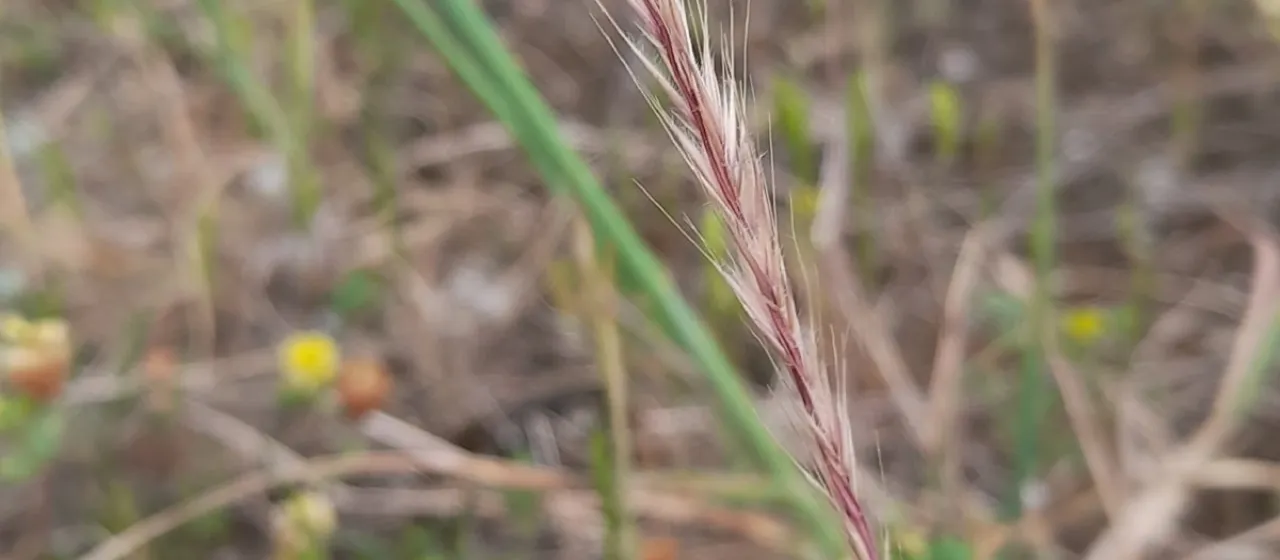
Vulpia ambigua, often referred to as bearded fescue or by its scientific name, is an annual grass species belonging to the Poaceae family. While taxonomically grouped within the Vulpia genus, it shares significant morphological traits with the Festuca genus. As an ephemeral plant, it is specifically adapted to complete its life cycle rapidly, allowing it to thrive in environments with unpredictable rainfall patterns.
The native range of this plant includes the Mediterranean basin, parts of Europe, and Western Asia. It typically colonizes open, well-drained habitats such as sandy soils, dry grasslands, and rocky slopes. Its ability to colonize disturbed areas makes it a common sight on marginal lands where competition from dominant perennial grasses is relatively low.
Botanically, the plant grows to a modest height of 10-35 cm, characterized by fine, hair-like leaves and narrow, compact panicles. The defining feature of the species is the ciliate (fringed with hairs) margins of the glumes, which distinguish it from related grasses. Its root system is shallow and fibrous, designed to capitalize on moisture available in the upper soil profile during early spring.
Regarding cultivation requirements, Vulpia ambigua thrives in sandy or light loamy soils with neutral to alkaline pH levels. It is highly sensitive to soil compaction and waterlogging, which often lead to poor germination and root development. Standard agricultural practices for this crop focus on early sowing dates to ensure vegetative development occurs before the onset of summer drought.
In agricultural settings, the plant is primarily utilized as a minor forage component in early spring pastures. It provides high-quality protein during its early growth stages, though its forage value drops significantly after flowering. Major phytosanitary concerns include susceptibility to rust fungi and powdery mildew, which can significantly damage biomass yield during prolonged wet weather conditions.