
Description
Amethyst fescue (Latin Festuca amethystina) is a perennial herbaceous plant belonging to the Poaceae (grass) family. This species is highly valued in both agriculture and landscaping for its robust growth habit, dense tufted structure, and high adaptability to various environmental conditions.
Native to Central and Southeastern Europe, the plant is naturally adapted to rocky slopes, limestone-rich soils, and forest clearings. Its hardiness makes it an ideal candidate for cultivation in temperate climates, where it can withstand significant temperature fluctuations and prolonged dry periods.
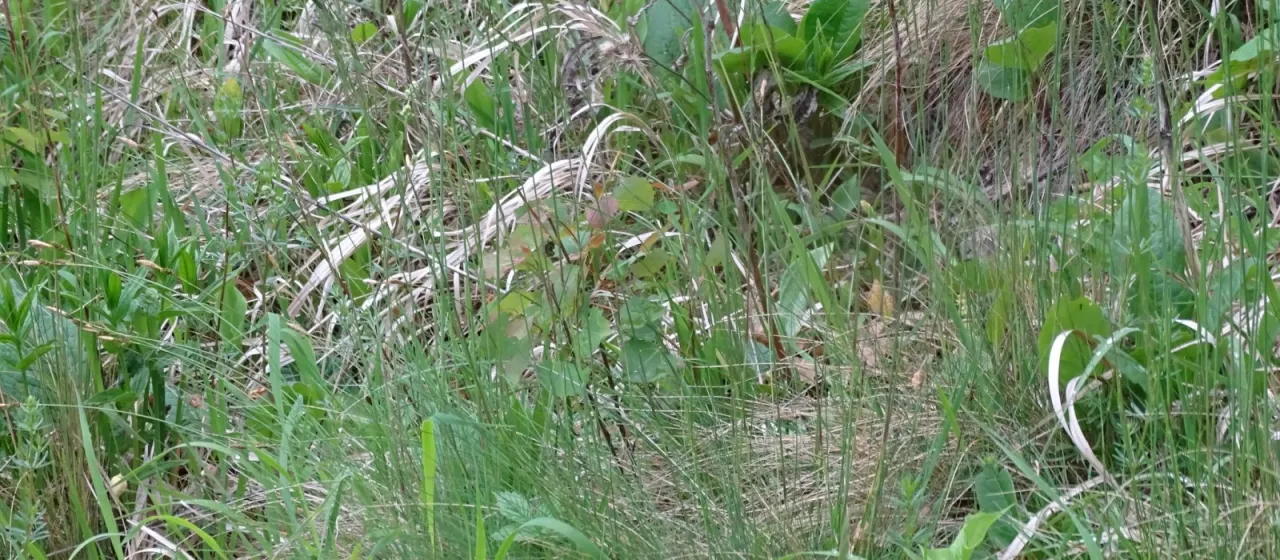
Botanically, it is characterized by narrow, needle-like leaves that form elegant, blue-gray or steel-colored mounds. During the flowering phase, it produces slender, paniculate inflorescences on upright stalks, which add significant aesthetic value to its dense foliage structure.
Agronomic requirements emphasize the importance of well-draining soil, as this grass is sensitive to waterlogging. It thrives in poor, sandy, or rocky soil substrates with a neutral to slightly alkaline pH. Maintenance is relatively low, requiring only periodic removal of dead foliage to encourage healthy spring growth.
The host of applications includes soil stabilization on slopes, decorative landscaping, and drought-tolerant ground cover solutions. Regarding plant health, the most significant threats are fungal infections resulting from poor drainage, alongside common root-feeding insects that may disrupt the stability of the dense root system.