
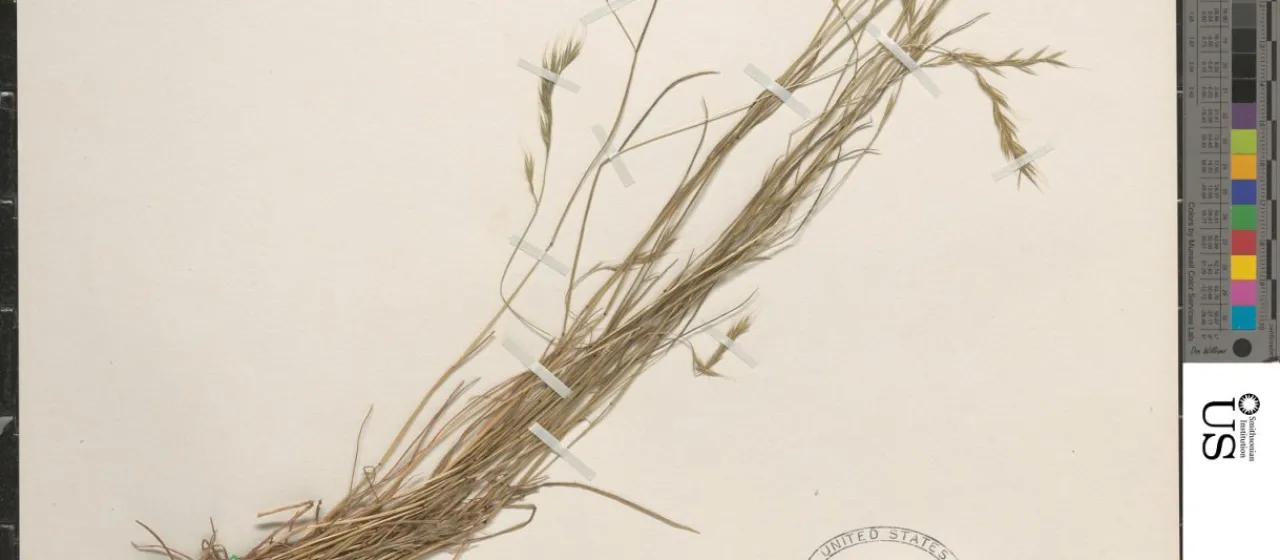
Description
Antuco fescue (Latin: Festuca antucensis) is a perennial grass species belonging to the Poaceae family. This species is recognized for its robust growth habit and is primarily known as a key vegetation component in high-altitude grassland ecosystems, providing significant ecological and agricultural value.
The plant is native to the mountain ranges of South America, specifically the Andes. Its distribution area spans across Chile and Argentina, where it thrives in alpine environments. These habitats are characterized by high altitudes, rocky substrates, and a climate that necessitates significant adaptations for plant survival.
Botanically, Festuca antucensis is a densely tufted bunchgrass. Its foliage consists of fine, rigid leaves that are highly resilient to mechanical stress. The root system is extensive and fibrous, which allows the plant to anchor itself firmly in harsh, stony soils while efficiently accessing moisture during drier periods.
Regarding climate and soil, this grass prefers well-drained, sandy or loamy environments. It is highly resistant to cold and drought, making it an excellent candidate for regions with poor soil quality. However, it requires significant sun exposure and does not tolerate waterlogging, which can lead to root system degradation.
In agricultural practice, this species is mainly utilized for grazing in mountain areas. It serves as a reliable forage source for livestock, contributing to the productivity of extensive grazing systems. Common agricultural concerns involve monitoring for fungal pathogens that may appear in overly damp conditions and managing grazing pressure to ensure the long-term sustainability of the pasture.
- Excellent cold and drought tolerance
- Strong soil stabilization properties
- Nutrient-rich forage for mountain livestock
- Low maintenance requirements in suitable zones