
Description
Arizona fescue (Latin: Festuca arizonica) is a perennial bunchgrass belonging to the Poaceae family. This species is highly valued in agriculture for its resilience, longevity, and ability to thrive in challenging environmental conditions, particularly in arid and semi-arid upland areas where other grasses often fail to survive.
The native range of this species is located in the southwestern United States and parts of northern Mexico. It is most commonly found in open forests, rocky slopes, and high-altitude grasslands. The plant has evolved to tolerate intense solar radiation and significant temperature fluctuations between day and night, making it a key component of natural rangelands.
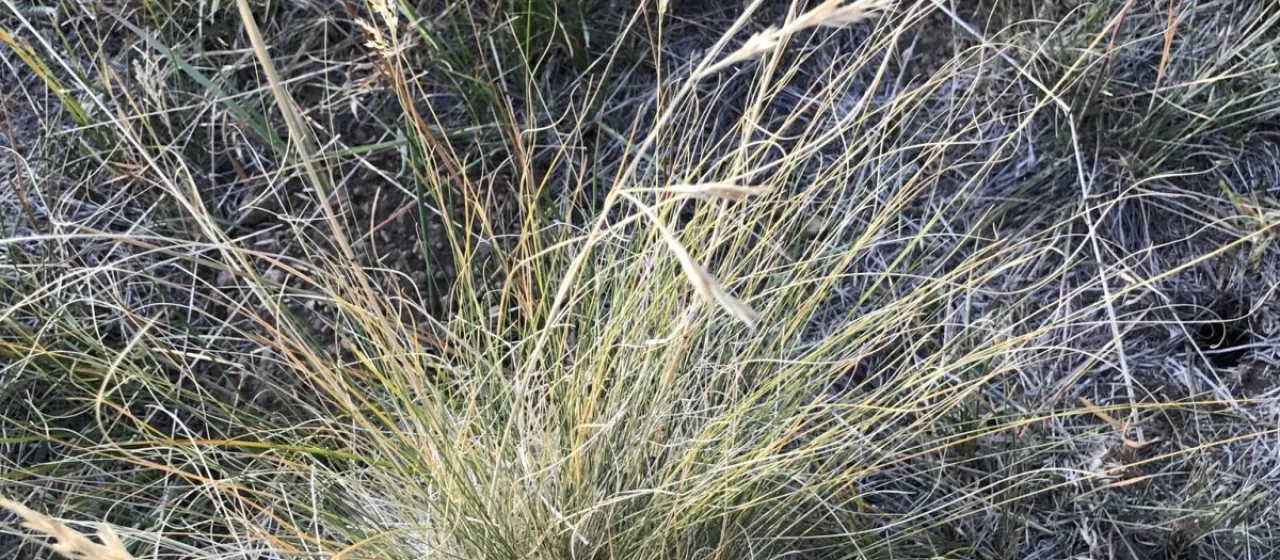
Botanically, Arizona fescue is a dense, tufted perennial grass. Its leaves are narrow, stiff, and often rolled, which helps minimize water loss through transpiration. The plant produces panicle-type inflorescences during the summer months. One of its unique traits is a deep, robust root system that stabilizes the soil and reaches moisture reserves located well below the surface layer.
Regarding climate and soil, the crop prefers well-drained, coarse-textured soils, including those derived from igneous or sedimentary rocks. It is well-adapted to high-altitude environments and shows excellent winter hardiness. Cultivation requires minimal intervention once established; however, initial seedling establishment is slow, requiring protection from grazing animals during the first growing season.
The main agricultural applications for Arizona fescue include:
- Forage production on range and pasture lands for cattle and wildlife.
- Land restoration and erosion control on disturbed sites and steep mountain slopes.
Like many wild grass species, Arizona fescue is susceptible to typical rust diseases and occasional infestations by aphids or grasshoppers. Management practices, such as rotational grazing and avoiding overgrazing during periods of extreme drought, are essential for maintaining the vigor of the stand. With proper management, it can persist for decades, providing consistent ecological and economic benefits.