
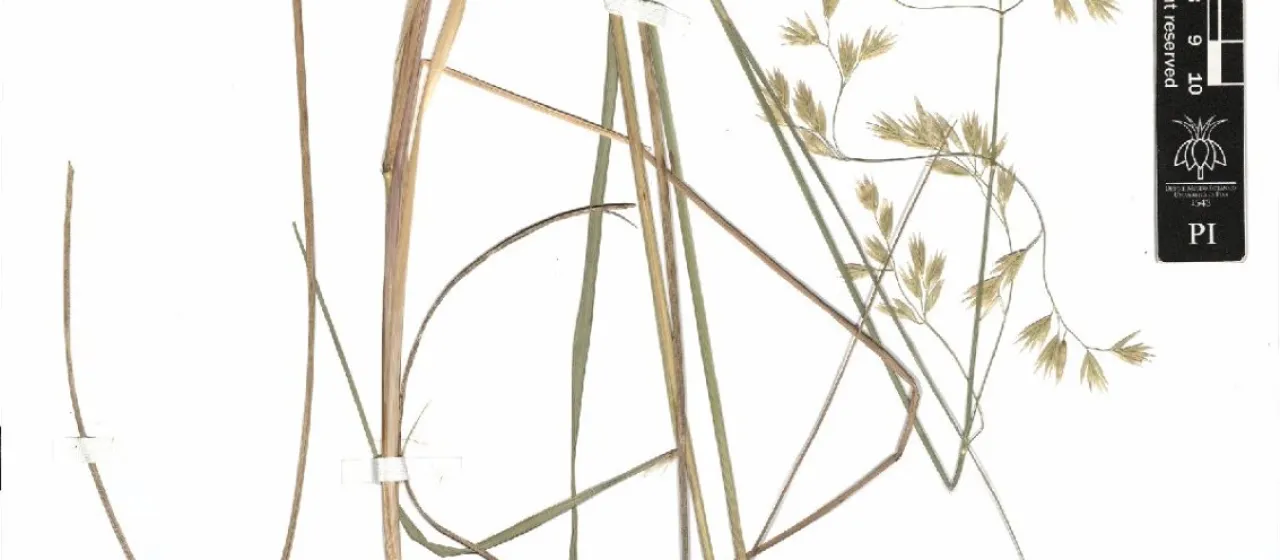
Description
Calabrian fescue (Festuca calabrica) is a perennial grass species belonging to the Poaceae family. It is recognized in agricultural science as a resilient forage component, particularly suited for mountainous and semi-arid regions where other high-yield grasses struggle to establish themselves.
The origin of this species is traced to the southern European regions, specifically Calabria, Italy. It thrives in Mediterranean-type climates, characterized by hot, dry summers and mild winters. Its natural distribution is largely concentrated in rocky or well-drained sloping areas, where it plays a critical role in soil stabilization.
Botanically, this grass is defined by its dense bunch-forming growth habit and narrow, resilient leaves. The root system is robust and fibrous, which is a key trait that allows it to survive in nutrient-poor, stony soils. The inflorescence is a narrow, open panicle, providing efficient wind-pollination during the peak of the growing season.
Regarding cultivation requirements, Calabrian fescue demands well-drained soils and cannot tolerate waterlogged conditions. It is relatively drought-tolerant once established. In terms of agronomy, fertilization should be minimal to avoid stimulating overly rapid growth that could weaken the stand's natural resistance to environmental stress.
The primary economic use of Festuca calabrica is as a hardy grazing grass for livestock. Its most common phytosanitary challenges include susceptibility to rust fungi and cereal aphids. Proper management, including rotational grazing and monitoring for early signs of fungal infection, is essential to maintain high-quality forage production throughout the season.