
Description
Blue fescue (scientific name Festuca cinerea, often referred to as Festuca glauca) is a small, clump-forming perennial grass belonging to the family Poaceae. This ornamental species is highly prized by horticulturists and agronomists for its striking metallic blue foliage and compact, rounded growth habit, which persists throughout the growing season.
Originating primarily from Central and Southern Europe, this grass has adapted to survive in harsh, rocky, and alpine environments. Its global distribution as an ornamental plant has increased due to its excellent performance in xeriscaping and sustainable water-wise landscape projects, where minimal maintenance is required after establishment.
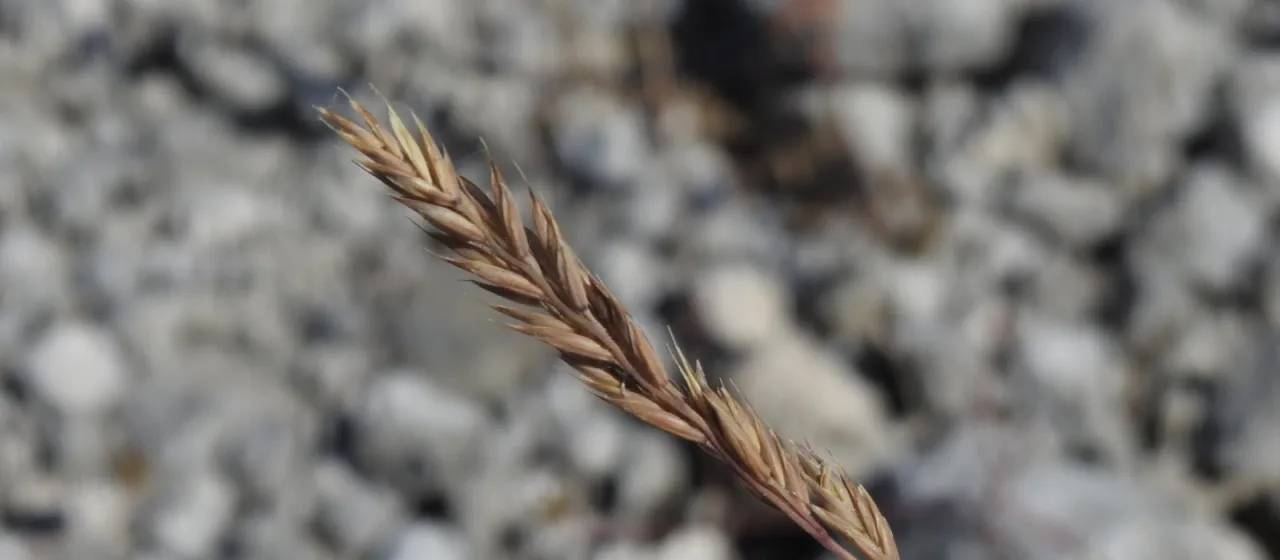
Botanically, Festuca cinerea consists of thin, bristle-like leaves that form dense tufts ranging from 20 to 40 cm in height. The foliage is covered in a glaucous wax coating that serves as protection against solar radiation and desiccation. During the summer months, the plant produces light-colored, oat-like inflorescences that rise above the blue foliage, adding vertical interest to the plant architecture.
The agronomic requirements for blue fescue are specific: it demands full sunlight to maintain its intense coloration. In terms of soil, it prefers lean, gritty, well-draining substrates with low organic matter. It is highly intolerant of waterlogged soils, which quickly lead to root rot. Regular maintenance involves combing out dead foliage in the spring to encourage fresh, vigorous growth.
While not a traditional agricultural forage crop, blue fescue is vital for erosion control on sandy embankments and rocky slopes. It is generally resistant to most pests; however, it may occasionally suffer from aphids or fungal leaf spots if airflow is restricted. Proper spacing during planting is the best cultural control method to prevent disease outbreaks and maintain plant health.