
Description
Eskia fescue (Festuca eskia) is a perennial grass species belonging to the family Poaceae. This plant is recognized for its dense tufted growth habit and exceptional tolerance to harsh environmental conditions, which are characteristic of its high-altitude native habitats.
The plant originates from the mountainous regions of Southern Europe, specifically the Pyrenees. It has adapted to survive in thin soils, rocky terrain, and fluctuating climatic conditions, making it a highly specialized species that thrives where many conventional agricultural crops would fail to establish.
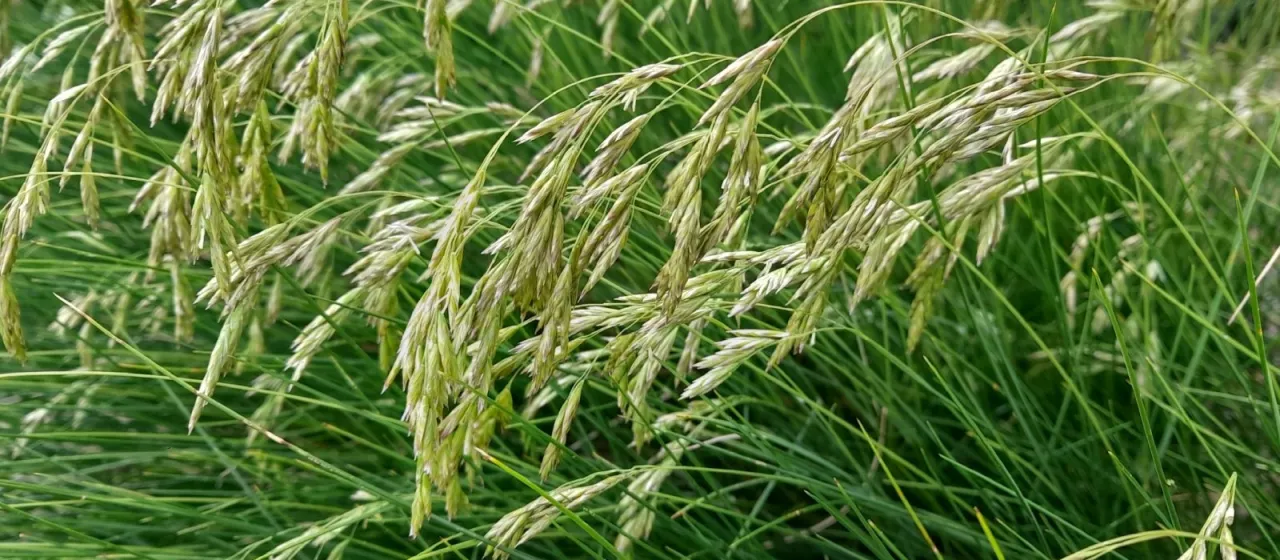
Botanically, it is characterized by rigid, needle-like leaves that form compact, rounded clumps. Its root system is exceptionally deep and fibrous, which helps the plant anchor itself in unstable substrate. The inflorescence consists of a slender panicle that remains above the basal foliage during the flowering season.
Regarding cultivation requirements, Eskia fescue prefers well-drained, sandy or stony soils and requires full sun exposure to maintain its compact shape. It is highly drought-tolerant once established and does not require fertile soils, making it an excellent candidate for low-maintenance landscaping and land restoration projects.
In terms of agricultural and land use, this species is primarily utilized for soil stabilization and erosion control on mountain slopes. Beyond its protective function, it is highly valued in the horticultural industry as an ornamental plant for rock gardens, providing a naturalistic look with minimal irrigation needs.
Common health issues and pests affecting the plant include:
- Root rot pathogens caused by waterlogging in clay-heavy soils.
- Rust diseases, particularly in humid or stagnant air environments.
- Various soil-dwelling larvae that can compromise the root system of younger specimens.