
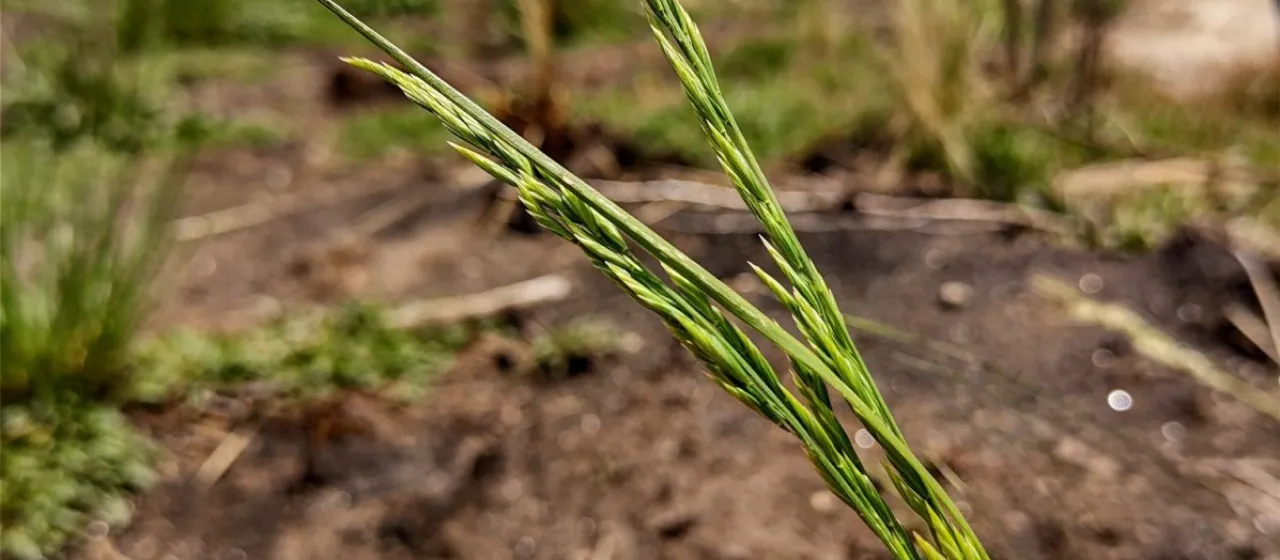
Description
Festuca hieronymi is a perennial grass species belonging to the family Poaceae. It is recognized as a hardy, robust plant that thrives in challenging environmental conditions, making it a subject of interest for both botanical research and agricultural development in specific geographical zones.
The native range of this species is primarily located in the mountainous regions of South America. It has evolved to survive in high-altitude environments characterized by extreme temperature fluctuations and nutrient-poor, rocky soil conditions, showcasing remarkable resilience in such harsh habitats.
Botanically, this species typically forms dense tussocks, an adaptation that helps in soil retention and erosion control. The leaves are generally tough and narrow, designed to minimize moisture loss under high evaporation rates. Its root system is extensive, facilitating the uptake of nutrients from underdeveloped mountainous soils.
Regarding cultivation requirements, Festuca hieronymi thrives in well-drained soils and requires significant solar exposure. It is highly drought-tolerant but suffers in waterlogged conditions. In terms of agronomy, it is often favored for its low-maintenance profile, as it establishes itself well without excessive fertilization.
The primary agricultural use for this plant is as a source of forage in mountain pasture systems. Its ability to tolerate continuous grazing makes it an ideal component for sustainable livestock management in highlands. Typical pests include common grass insects, while fungal diseases can occur if the local humidity remains consistently high.
- Erosion control properties
- High tolerance to grazing
- Drought resistance
- Adaptability to poor soils