
Description
Foxtail fescue (Festuca jubata) is a perennial grass species belonging to the Poaceae family. Recognized for its structural resilience and unique appearance, this plant plays a significant role in forage production and soil conservation, especially in regions characterized by harsh environmental conditions and low agricultural productivity.
Originating from the mountainous and arid regions of Central Asia, this species has adapted to extreme temperature fluctuations and water scarcity. Its natural distribution range includes steppes and high-altitude slopes, where it serves as a dominant plant species, providing essential cover and biomass in areas where other forage crops struggle to establish.
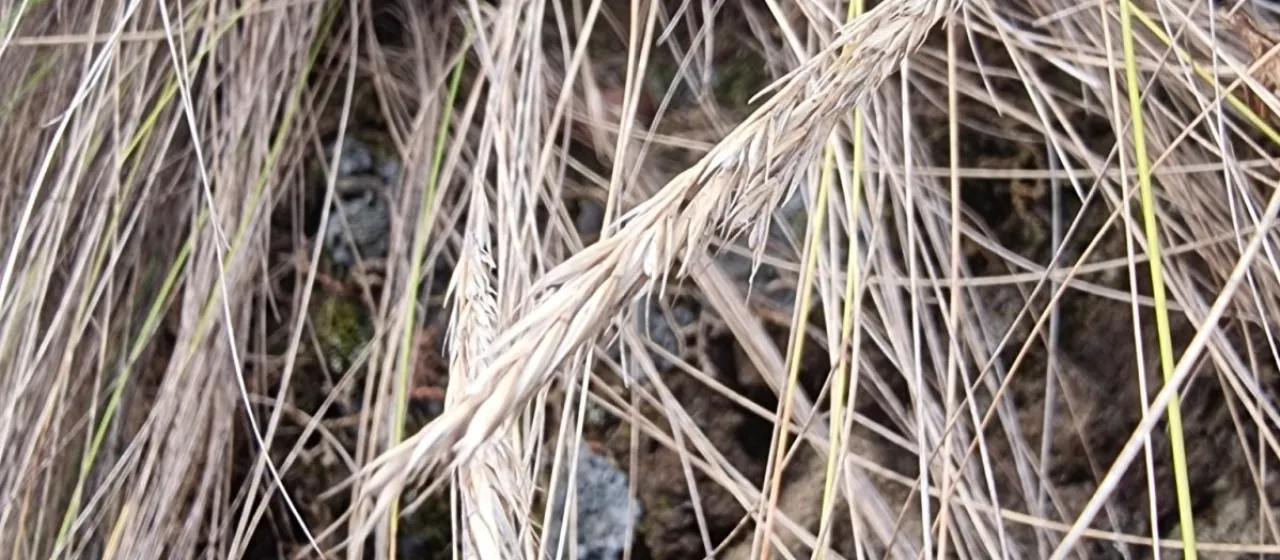
Botanically, the plant is identified by its dense tufted growth habit and linear, narrow leaves. Its most distinctive feature is the spreading, feathery panicle inflorescence with long, thin awns that resemble a horse's mane, which gives the plant its name. The root system is deep and expansive, allowing the grass to stabilize loose soil and reach deep moisture reserves.
Cultivation requirements for Festuca jubata focus on well-drained, porous soils. It thrives in gravelly or sandy substrates and is highly tolerant of drought and cold stress. Agronomic practices include sowing in early spring to utilize snowmelt moisture, with minimal tillage required, making it an excellent candidate for low-input sustainable agricultural systems.
In farming, foxtail fescue is primarily utilized for grazing and forage. While it is most palatable in its early growth stages, its longevity makes it a staple for pasture maintenance in mountainous zones. Typical biotic threats include fungal leaf spot diseases during humid periods and infestations by aphids or grain beetles, which can be managed through integrated pest control strategies.
- High drought tolerance
- Excellent soil stabilization
- Adapted to poor, rocky soils
- Good palatability in early stages
- Low maintenance requirements