
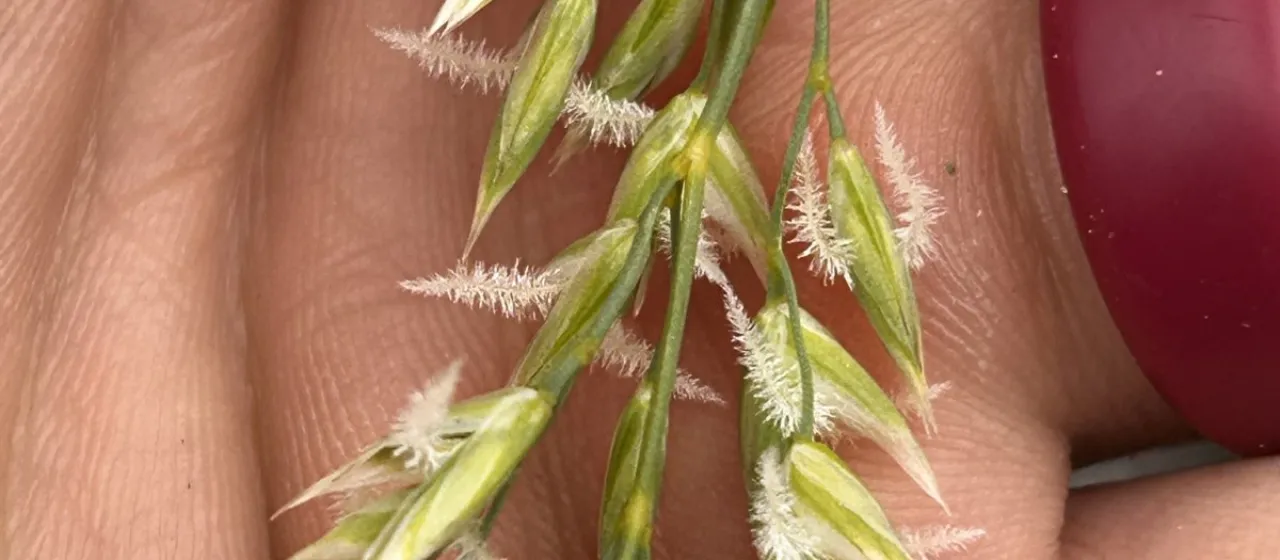
Description
King's fescue (Festuca kingii) is a perennial bunchgrass belonging to the Poaceae family. Formally classified under the genus Leucopoa, this species is highly regarded in agronomy for its robustness and environmental adaptability. It forms dense, persistent clumps that contribute significantly to the stability of native grasslands and managed range lands.
The plant is native to the western regions of North America, particularly thriving in subalpine and high-elevation mountain habitats. Its evolutionary history in arid, high-altitude climates makes it an excellent candidate for agricultural projects in similar ecosystems. It is increasingly utilized in rangeland improvement programs aimed at restoring ecological balance in challenging terrains.
Botanically, this species is characterized by its xerophytic features, such as stiff, often inrolled leaves that minimize transpiration. The root system is extensive and fibrous, which provides exceptional soil anchoring capabilities. These traits allow the plant to maintain productivity throughout the growing season, even in areas where moisture availability is limited during the summer months.
Agricultural requirements for King's fescue emphasize the need for well-drained soils and high solar radiation. Unlike some domesticated forage grasses, it does not respond well to heavy fertilizer applications, which may lead to competitive exclusion by faster-growing weeds. Best management practices focus on rotational grazing to prevent overgrazing and the maintenance of soil aeration for deep root development.
Economically, the primary use of this grass is in livestock forage production, where it provides nutritious biomass in rugged landscapes. Furthermore, it serves as a critical component in soil conservation strategies, preventing wind and water erosion on vulnerable hillsides. The plant's ability to remain productive under harsh conditions makes it a sustainable choice for long-term land management and ecological restoration.
- Excellent tolerance to drought and cold climates.
- Superior soil stabilization properties.
- High survival rate in nutrient-poor mountain soils.
- Resilient to intensive grazing when managed correctly.