
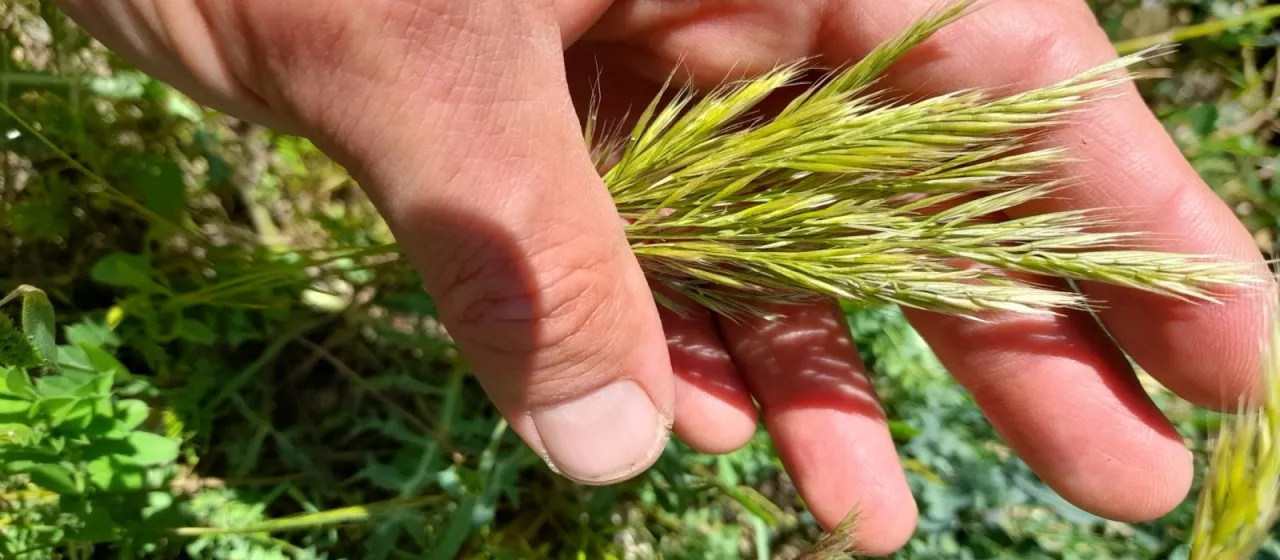
Description
Ligurian fescue (Festuca ligustica) is a perennial grass species belonging to the Poaceae family. This forage crop is recognized for its impressive resilience and adaptability to dry, challenging environments, making it a valuable subject for agricultural study.
The plant originates from the Mediterranean region, with a natural range encompassing Southern Europe and parts of Northern Africa. It typically thrives in rocky terrains, dry meadows, and pastures where soil conditions are often limiting for more demanding agricultural crops.
Botanically, this species is characterized by its tufted growth habit and deep, robust root system. The leaves are typically narrow and sometimes scabrous, a structural adaptation that allows the plant to maintain physiological functions during periods of significant moisture stress.
Regarding cultivation, Festuca ligustica prefers well-drained, lime-rich, or sandy soils. It is highly drought-tolerant and frost-hardy, requiring minimal agronomic intervention. Farmers generally focus on maintaining soil fertility through light fertilization and controlled grazing regimes to ensure long-term stand productivity.
The primary use of Ligurian fescue is in pasture improvement and hay production. While it is generally robust, it can be susceptible to common grass pathogens like rusts or certain types of aphids. However, its natural vigor usually helps the plant recover quickly without the need for intensive pest control measures.