
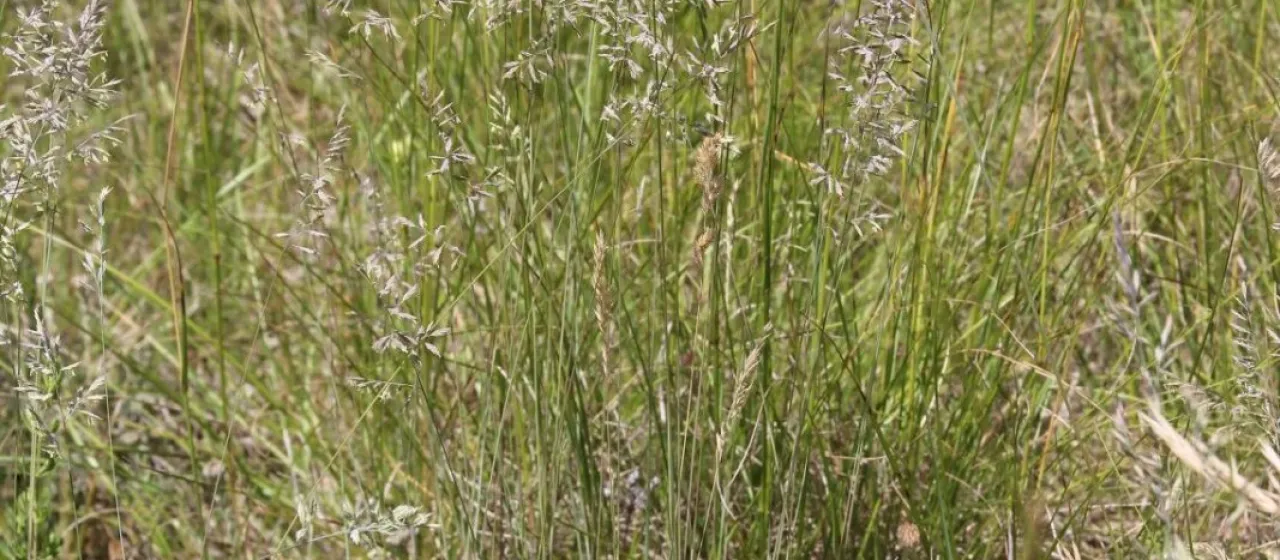
Description
Festuca marginata is a perennial grass species belonging to the Poaceae family. Recognized for its structural durability, this plant plays a significant role in both natural grassland ecosystems and managed agricultural landscapes, offering a reliable source of biomass in various environmental conditions.
Originating from the mountain regions of Europe, this species has adapted to survive in diverse terrains, including rocky slopes and meadows. Its natural distribution is largely defined by its ability to thrive in regions with distinct seasonal fluctuations, making it an excellent candidate for agricultural applications in similar climatic zones globally.
The botanical profile of the plant is characterized by a dense, tufted growth habit and a robust, deep-reaching root system. The leaves are typically narrow, rigid, and feature distinct margins, which provide resistance to both water stress and physical wear. During the growing season, it produces terminal panicles, contributing to the species' overall reproductive success.
Regarding cultivation, this grass requires well-drained soils and thrives best under moderate sunlight. It is notably resilient to soil nutrient variations, displaying strong performance on soils where other species might fail. Agronomic management involves optimizing seeding densities and implementing strategic cutting schedules to maximize vegetative longevity and forage quality.
The species serves multiple agricultural and environmental purposes:
- serving as a nutritional base for permanent pasture systems;
- preventing soil erosion on sloped or unstable landscapes;
- acting as a key component in vegetation restoration projects.