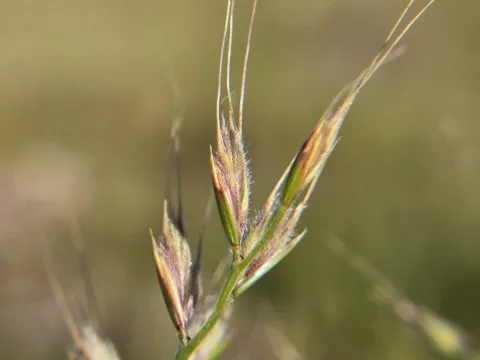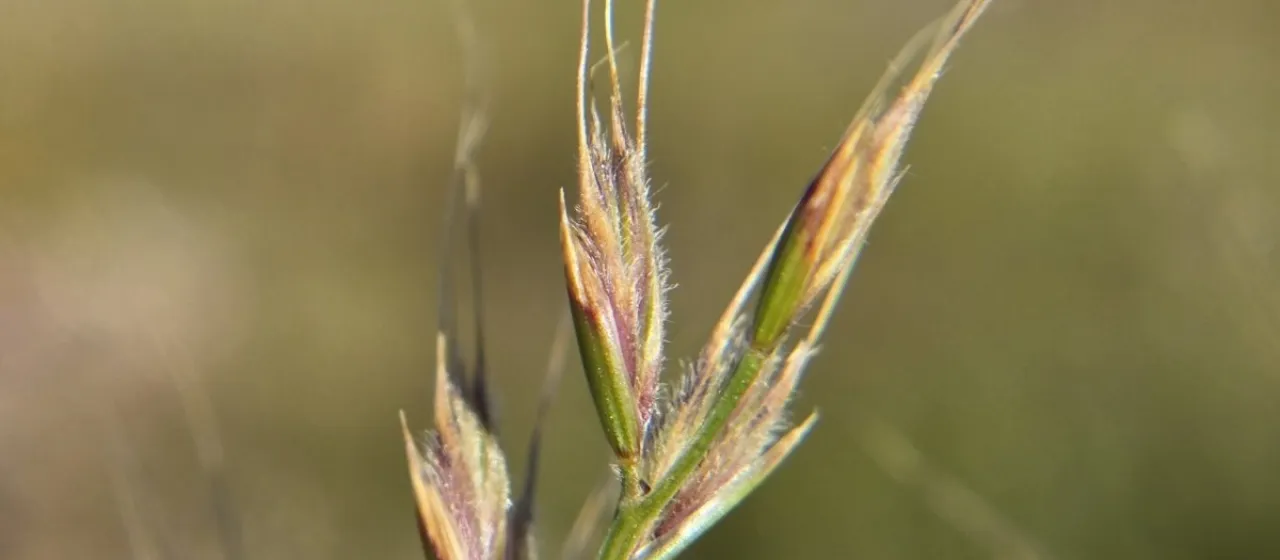
Description
Small fescue (Festuca microstachys) is an annual grass species belonging to the Poaceae family. Known for its distinct morphological traits, this plant is a significant component of native grassland communities and serves as a resilient species in its natural habitat across western North America.
The origin and primary range of this crop are concentrated in the western United States and adjacent regions, where the plant thrives in diverse environments ranging from coastal hills to inland prairies. It is highly adapted to areas where moisture is available primarily during the cool season, allowing the plant to reach maturity before the onset of summer drought.
Botanically, Festuca microstachys is characterized by thin, fibrous stems and narrow leaves. The inflorescence is a slender panicle with small spikelets, which gives the plant its common and scientific names. Its root system is relatively shallow yet efficient, enabling rapid nutrient uptake during the limited growth period.
In terms of climatic and soil requirements, this fescue species prefers well-drained, sandy, or gravelly soils. It is notably tolerant of nutrient-poor substrates and can survive in areas where high-input crops would fail. The species exhibits strong environmental plasticity, making it suitable for ecological restoration projects in its native zones.
The agricultural and economic utility of small fescue is mainly centered on livestock grazing. It is considered a valuable source of early-season forage. Key benefits include:
- Provides high-quality forage early in the grazing season.
- Exhibits excellent reseeding capabilities, ensuring population persistence.
- Contributes to soil stabilization in erosion-prone areas.
- Low input requirements compared to cultivated perennial grasses.
Typical health issues for this grass include vulnerability to rust fungi during humid spring weather and potential infestations by aphids. Effective management involves controlled grazing intensity to maintain plant health and prevent the overgrazing of sensitive sites, ensuring that the plant can produce sufficient seed for the next cycle.
Photo gallery