
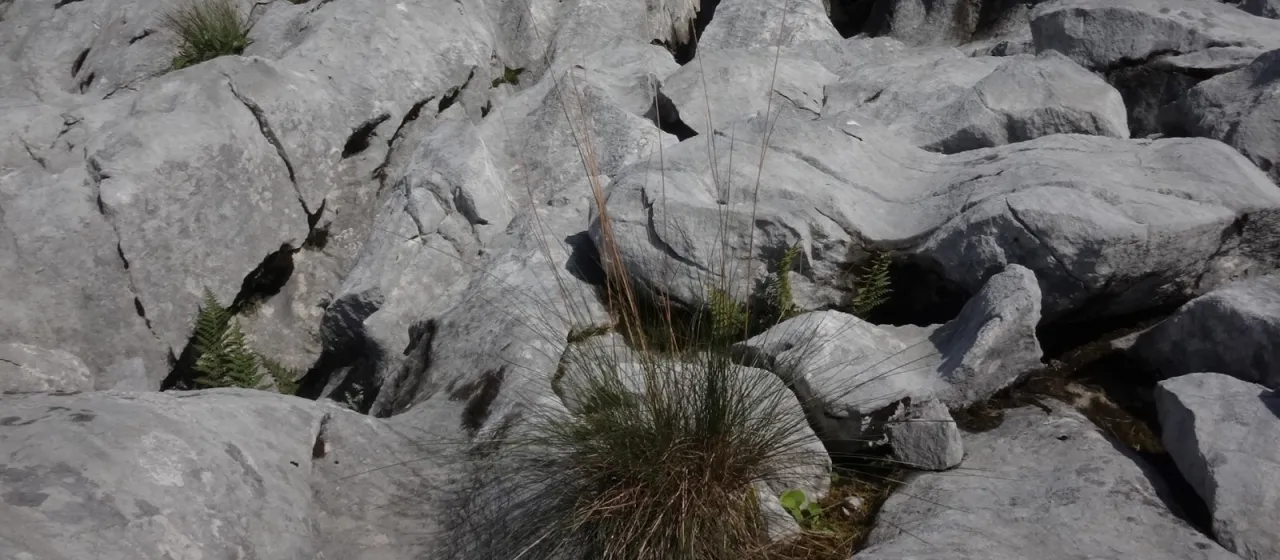
Description
Noric fescue (Festuca norica) is a perennial grass species belonging to the Poaceae family. This plant is a notable member of the fescue genus, specifically adapted to the challenging environments of alpine regions where it thrives as a resilient component of the meadow vegetation.
The origin of Noric fescue is deeply rooted in the mountainous terrains of Central Europe, specifically the Eastern Alps. Its natural range is characterized by high altitudes, rocky substrates, and significant climatic fluctuations, which have shaped the plant's unique biological and physiological adaptations over centuries of evolution.
Botanically, the plant is a dense, tufted grass with a fibrous root system that provides stability in shallow, stony soils. The leaves are typically narrow and rigid, featuring a distinct texture that minimizes transpiration. The inflorescence is a panicle, which produces seeds capable of germinating in cool, short-season environments typical of its habitat.
In terms of agricultural and environmental requirements, Noric fescue prefers well-drained, neutral to slightly acidic soils. It is highly valued for its winter hardiness and its ability to withstand extreme cold. Effective cultivation requires minimal intervention, as the plant is naturally optimized for nutrient-poor environments, making it a sustainable choice for high-altitude revegetation projects.
The primary хозяйственное use of Noric fescue is in the restoration of mountain pastures and erosion control on steep slopes. It serves as a durable forage plant for alpine grazing. While generally robust, the plant can be susceptible to fungal pathogens if grown in waterlogged conditions. Pests affecting this species are typically common grass-feeding insects, though the plant's natural resistance keeps such issues at manageable levels.