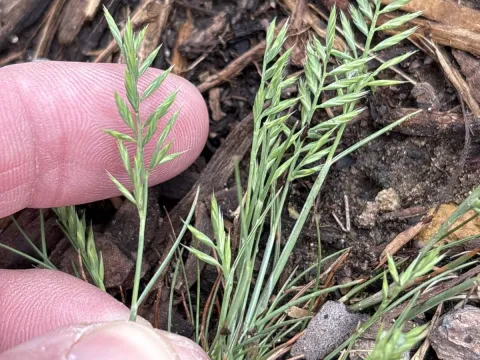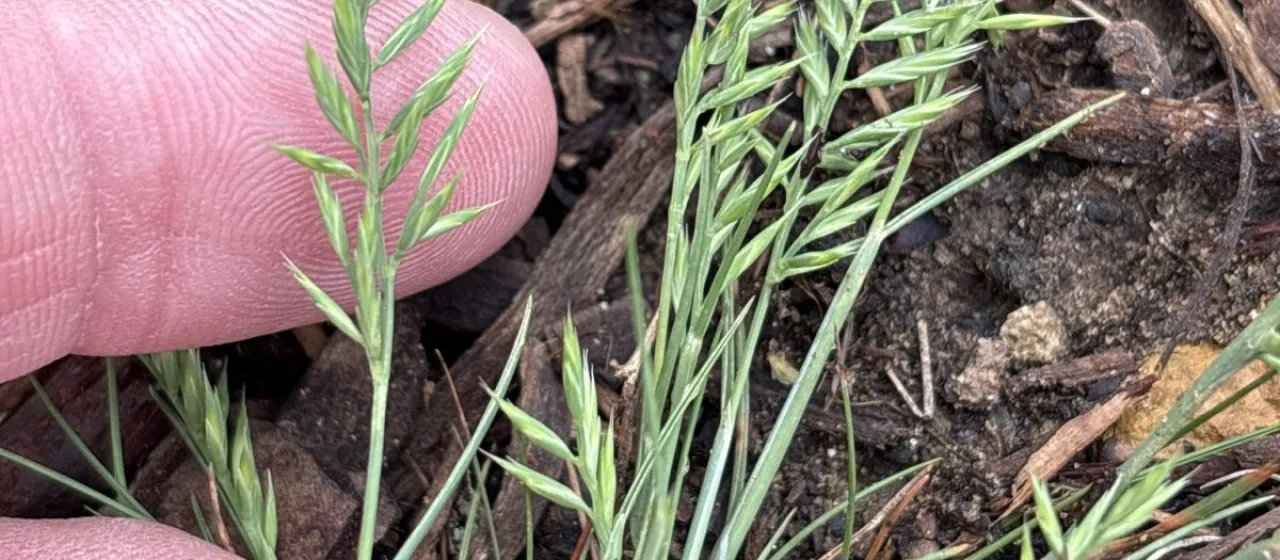
Description
Six-weeks fescue (Latin: Festuca octoflora) is an annual grass species belonging to the Poaceae family. Unlike many perennial fescues, this plant is characterized by a rapid development cycle, allowing it to complete its life stages during the brief periods of seasonal moisture. It is a well-known species in North American arid and semi-arid ecosystems.
The native range of this grass is primarily within the Western and Central parts of North America. It is commonly found in prairies, sandy soils, and disturbed habitats. Its distribution is closely linked to its ability to colonize areas where moisture availability is the limiting factor for many other plant species, making it a pioneer in specific ecological niches.
Botanically, this grass typically grows between 10 and 40 centimeters in height. The foliage is narrow and often involute, which is an evolutionary adaptation to minimize water loss. The inflorescence is a slender, sometimes dense panicle. The name "octoflora" refers to the multiple florets found within each spikelet, which ensures a high seed production rate per individual plant.
Regarding cultivation, this species thrives in well-drained, sandy, or gravelly soils. It requires full sun exposure and is highly adapted to environments with irregular rainfall. In an agronomic context, the plant does not require high levels of fertilization or intensive irrigation. In fact, excessive moisture and high soil fertility can be detrimental to its competitive balance within its natural habitat.
The economic utility of this grass is mostly found in grazing management within arid rangelands. It serves as an early-season forage source for livestock and wildlife. Regarding plant health, it is occasionally susceptible to rust fungi and common grass aphids, especially if environmental conditions become unusually humid for extended periods. It remains an important species for ecological restoration and soil stabilization projects.
- Family: Poaceae
- Life Cycle: Annual
- Height: 10–40 cm
- Key Habitat: Sandy, well-drained soils
- Main Use: Forage, land reclamation
Photo gallery