Description
Pale fescue (Festuca pallens) is a perennial grass species belonging to the Poaceae family. This plant is well-regarded for its exceptional durability, dense growth habit, and distinct silvery-blue foliage, making it a versatile choice for both agricultural land management and ornamental horticulture.
Originating from Central and Eastern Europe, this species is native to dry grasslands, rocky slopes, and open sunny habitats. Its evolutionary history has endowed it with the capability to thrive in harsh environments where nutrient-rich soils and consistent moisture are not guaranteed, making it a pioneer species for challenging landscapes.
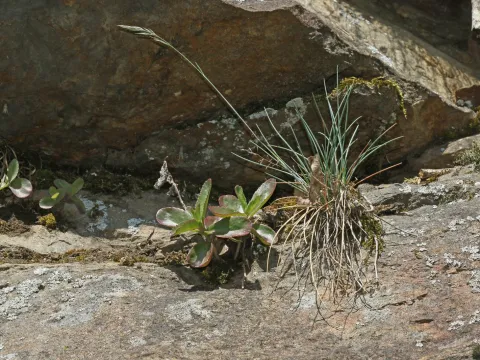
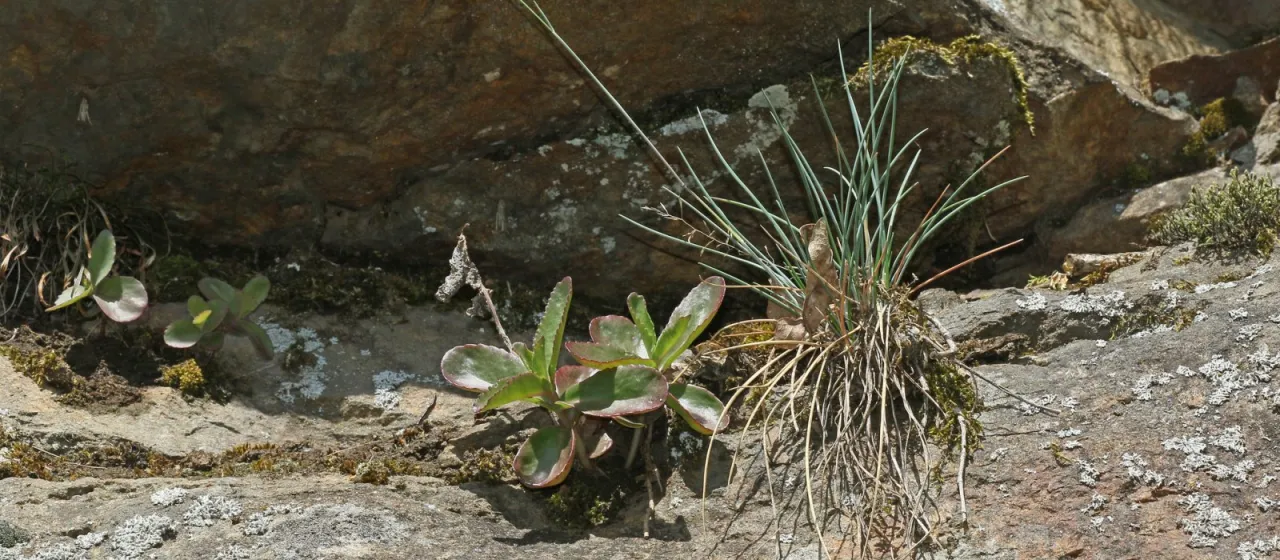
Botanically, Festuca pallens is characterized by its compact, tufted structure. The leaves are typically thread-like, stiff, and glaucous, which helps reduce transpirational water loss. During the reproductive phase, the plant produces slender, airy panicles that contrast beautifully with the dense foliage mound, adding to its overall aesthetic appeal.
Regarding cultivation, pale fescue requires well-drained, sandy, or rocky soil with neutral to slightly alkaline pH. It is highly drought-tolerant once established but needs adequate care during the germination phase. Minimal fertilization is required, as this species is adapted to low-fertility soils; excessive nitrogen can often lead to weakened plants and increased susceptibility to diseases.
The main uses of this grass include landscaping, specifically for rock gardens and xeriscaping, as well as ecological restoration projects for erosion control on slopes. While it is generally hardy, it can be susceptible to fungal pathogens such as rust or root rot if grown in poorly drained, waterlogged conditions. Pest management focuses primarily on controlling aphids during the peak growth season.
Photo gallery