Description
Beautiful fescue (Festuca pulchella) is a perennial grass species belonging to the Poaceae family. This plant is known for its compact growth habit and remarkable resilience, often thriving in high-altitude environments where soil quality and climatic conditions are challenging for many other species.
The native range of this species is primarily centered in the mountainous regions of Europe. It is commonly found in subalpine and alpine meadows, growing on stony slopes and well-drained alpine pastures. Its evolutionary history has made it highly adaptable to both cold temperatures and nutrient-poor, thin soil layers.
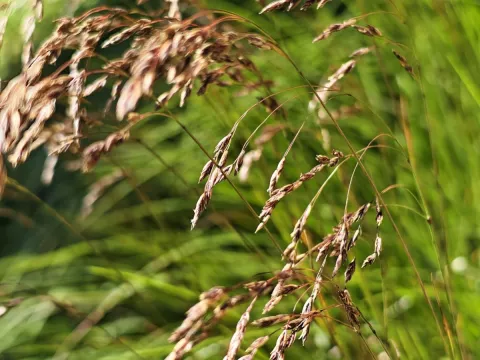
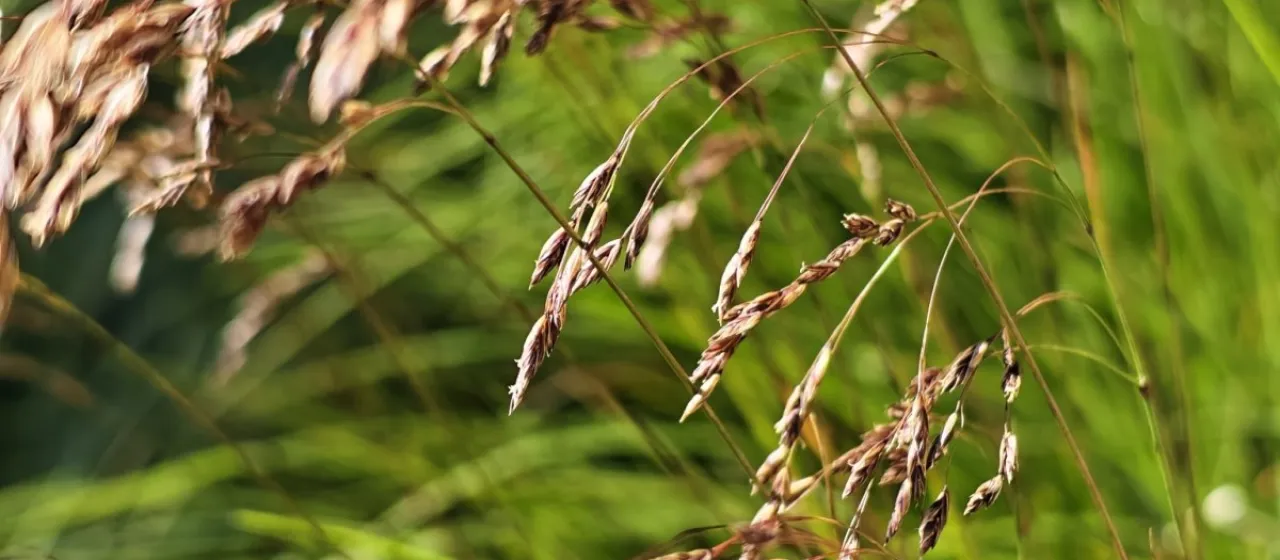
Botanically, it presents as a dense, tufted grass with narrow, stiff leaves that form a protective basal cluster. The inflorescence is a delicate, upright panicle containing small, resilient seeds. Its root system is extensive relative to its aerial parts, providing excellent soil binding capabilities that help prevent slope degradation.
Cultivation requirements favor well-drained, slightly acidic to neutral soils with plenty of sun exposure. In agricultural practice, it is vital to avoid waterlogged conditions, which can lead to root rot. While it is hardy and drought-tolerant, supplemental care during the initial establishment phase is recommended to ensure the development of a dense sward.
The primary economic use of this fescue is in soil erosion control, land reclamation, and the improvement of alpine forage pastures. Pests and diseases typically include rust fungi under humid conditions and occasional attacks by grass-specialized insects. Management should focus on maintaining a moderate grazing intensity or periodic mowing to sustain the vitality of the stands.
Photo gallery