Description
Four-flowered fescue (Festuca quadriflora) is a perennial grass species belonging to the Poaceae family. It is a specialized plant that has evolved to thrive in high-altitude environments, characterized by its resilient growth habit and ability to withstand severe climatic stress.
The native range of this species is primarily concentrated in the Caucasus mountain ranges. It is commonly found in subalpine and alpine zones, colonizing rocky outcrops, steep slopes, and alpine meadows where soil depth is minimal and environmental conditions are quite harsh for conventional agricultural crops.
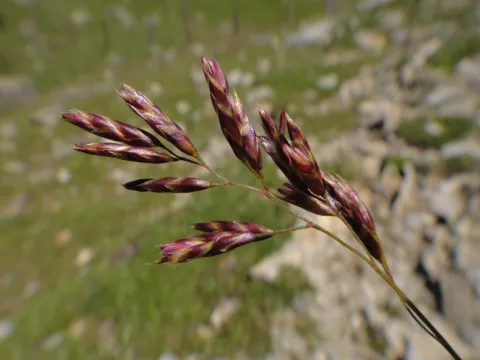
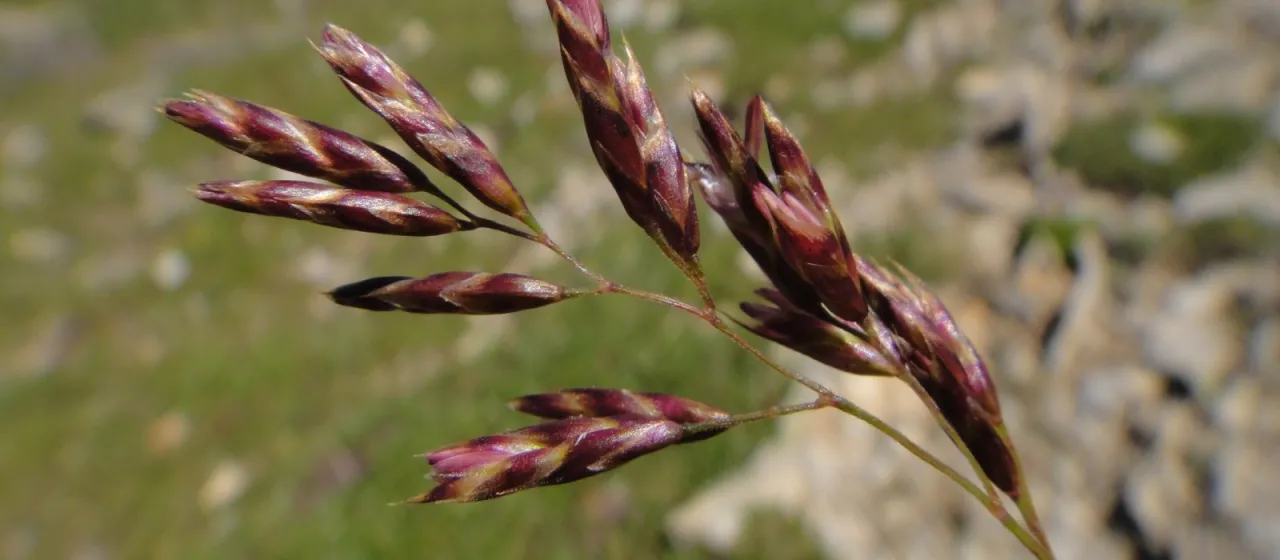
Botanically, Festuca quadriflora is identified by its dense, tufted growth habit. The leaves are narrow and tough, which helps reduce water loss in windy environments. As its scientific name suggests, the inflorescence is a panicle consisting of spikelets that typically contain four flowers, serving as a key diagnostic feature for identification.
Regarding agrotechnical requirements, the plant prefers well-drained, nutrient-poor, rocky substrates. It is highly drought-tolerant and adapted to a very short growing season. It is not traditionally cultivated in standard agricultural settings but is highly valued as a component of natural mountain grazing systems.
The primary economic use is as forage for livestock, particularly sheep and mountain goats that graze in alpine terrain. Due to its remote and rugged natural habitat, it is rarely impacted by common agricultural pests or diseases, maintaining its persistence in ecological communities without human intervention.
Photo gallery