Description
Chamois fescue (Festuca rupicaprina) is a perennial grass species belonging to the Poaceae family. This species is highly specialized for survival in rugged, high-altitude environments. It forms dense, low-growing tufts that allow it to withstand cold temperatures, strong winds, and unstable substrates typical of mountain ranges.
The origin and primary range of this species are centered in the alpine regions of Europe. It is naturally adapted to subalpine and alpine meadow zones, where the growing season is significantly restricted by prolonged snow cover. Its presence is vital for maintaining the stability of the thin soil layers found at these high elevations.
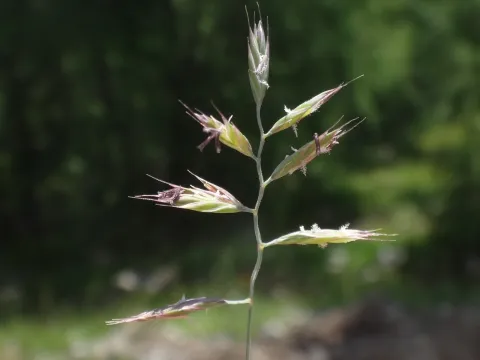
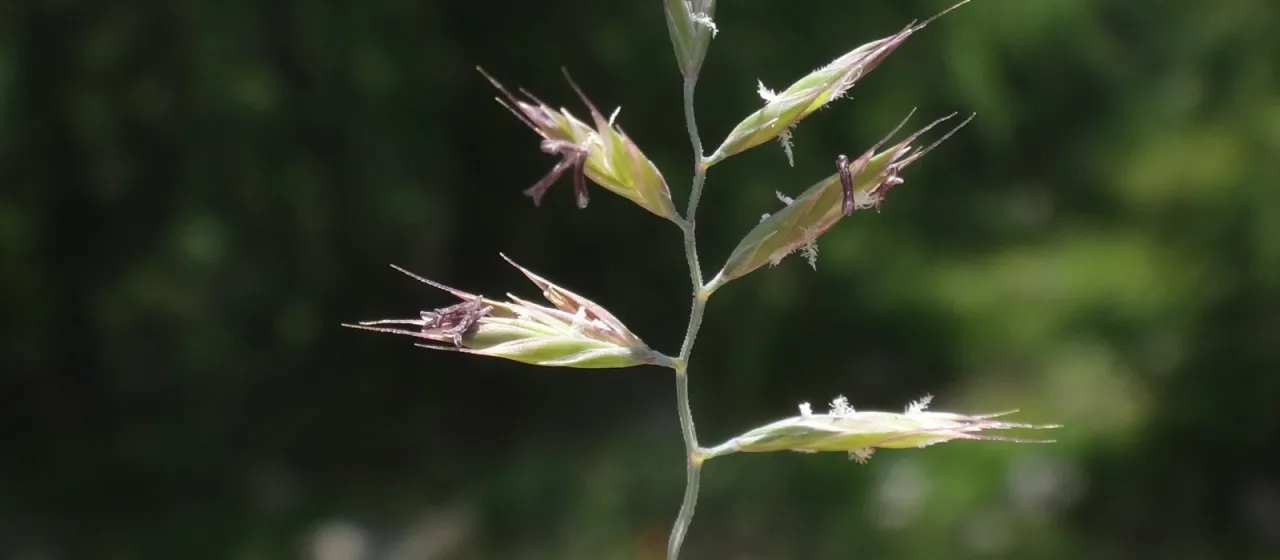
Botanically, the species is characterized by narrow, often involute leaves that minimize water loss through transpiration. The root system is fibrous and deep-reaching, providing excellent anchorage in rocky or scree-based soils. The reproductive structure is a compact panicle, designed to ensure seed production within a short summer window.
Cultural requirements emphasize the need for well-draining soils with low nutrient content. Festuca rupicaprina does not thrive in fertile, moisture-retentive soils, which makes it less suitable for standard agricultural fields. However, in its natural environment, it requires full sunlight and protection from competing, taller plant species that might shade it out.
The agricultural and ecological value of Chamois fescue lies in:
- Erosion control on mountain slopes.
- Providing nutritious grazing for alpine livestock, such as sheep and goats.
- Serving as a genetic resource for developing drought-tolerant and cold-hardy forage grasses.
Typical health issues include occasional rust infections, which are more prevalent during unusually wet and humid summer months. Pests like grass-feeding insects are naturally limited by the harsh climatic conditions of the habitat, ensuring that the species remains a stable and resilient component of the high-altitude ecosystem.
Photo gallery