
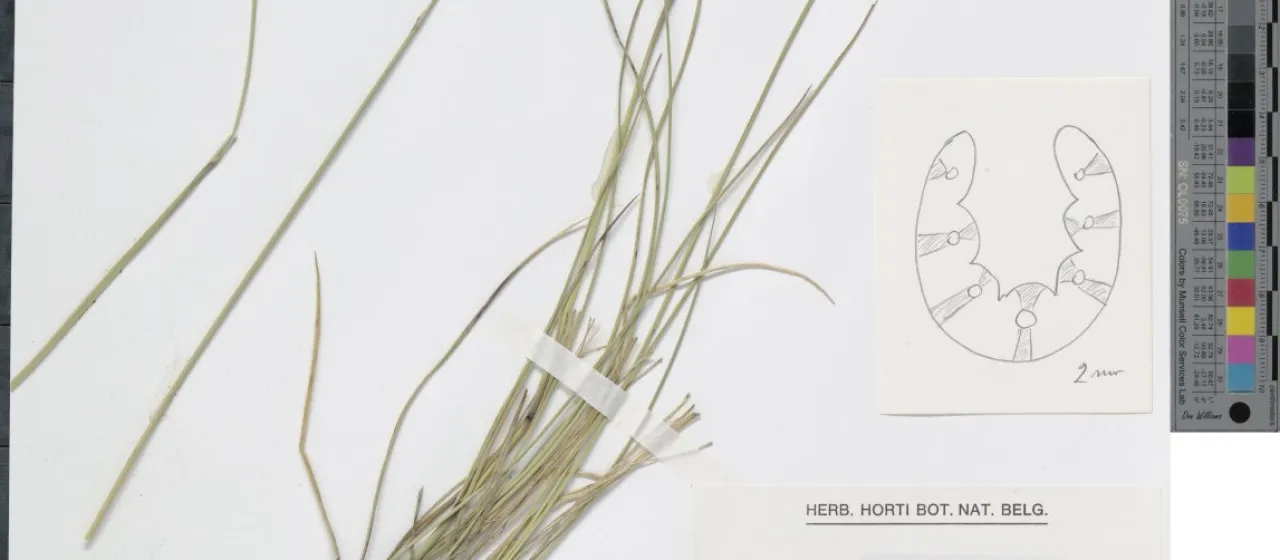
Description
Scarious fescue (Latin Festuca scariosa) is a perennial grass species belonging to the Poaceae family. This plant is recognized in agronomy for its specific ecological niche, characterized by survival in harsh, nutrient-poor environments where standard forage crops often fail to establish a healthy cover.
The plant originates from the mountainous landscapes of Southwestern Europe, particularly within Spain. Its natural distribution is tied to rocky, limestone-rich soils. Being native to high-altitude or arid terrains, the species has evolved to withstand low precipitation levels and significant temperature fluctuations typical of its indigenous environment.
Botanically, this fescue exhibits a dense, bunch-forming growth habit. The leaves are typically narrow and stiff, designed to reduce water loss through transpiration. This structural adaptation, combined with a robust root system, makes the plant exceptionally efficient at nutrient uptake and soil stabilization in volatile geographical conditions.
Regarding cultivation requirements, Festuca scariosa thrives in well-drained, alkaline soils. It is not suitable for swampy or waterlogged areas, as it requires aeration for its roots to remain healthy. Standard agricultural practice involves minimal intervention, focusing on initial establishment stages, after which the plant becomes largely self-sustaining due to its natural resilience.
The primary agricultural applications include land reclamation projects, slope stabilization, and as a component of grazing systems in arid environments. While it may not offer the peak yields of cultivated ryegrass, its ability to provide forage during dry periods makes it a strategic asset for livestock management in challenging highland areas.
- Excellent erosion control properties
- High tolerance to arid conditions
- Adaptability to limestone-rich soils
- Sustainable long-term forage crop