Description
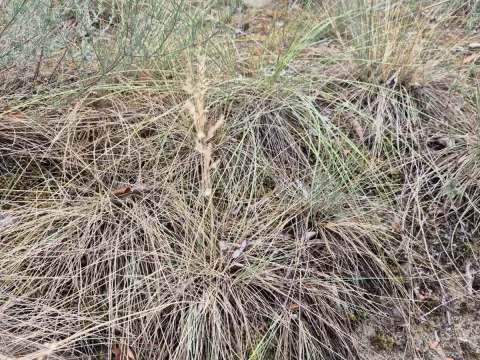
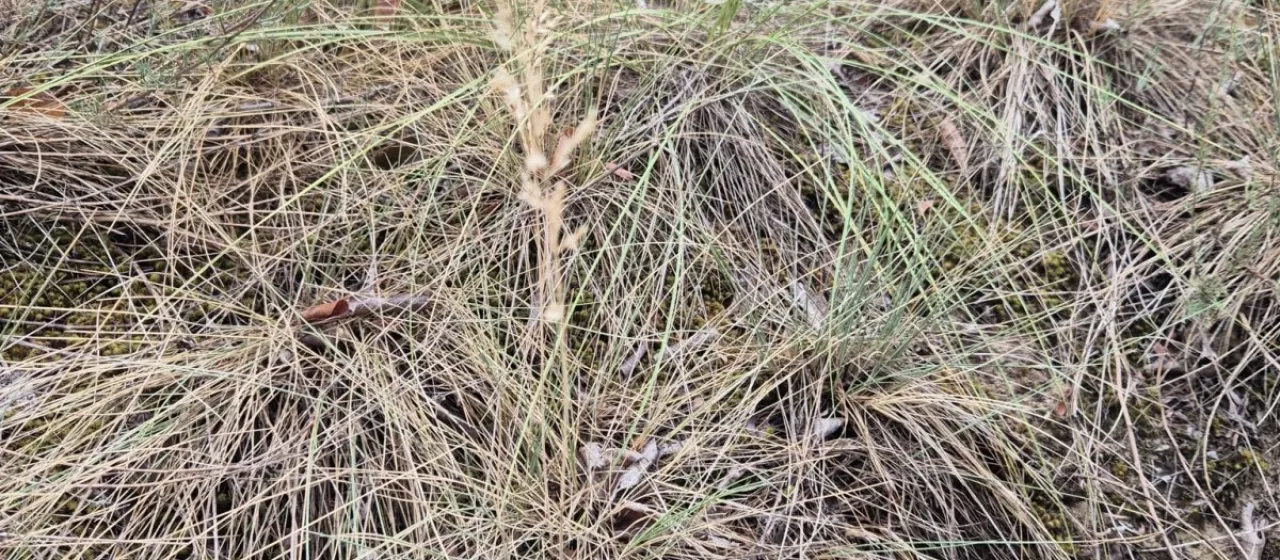
Sandy fescue (Festuca vaginata) is a perennial grass species belonging to the Poaceae family. It is a highly specialized plant that has evolved to thrive in harsh environments, particularly in sandy soils where moisture retention is low and the ground surface is prone to erosion and displacement.
The native distribution of this species spans across Central and Eastern Europe, typically inhabiting sand dunes, dry steppes, and sandy grasslands. Its evolutionary history in nutrient-poor environments has equipped it with specialized physiological mechanisms to sustain growth where competition from other grasses is minimal.
Botanically, sandy fescue is characterized by its dense tufted growth habit and an extensive, deep-reaching root system. The leaves are typically narrow and stiff, often folded to minimize transpiration rates during periods of high temperature. Its ability to produce a robust root mat makes it an excellent candidate for stabilizing loose sand.
Regarding cultivation requirements, sandy fescue demands full sun and well-drained soil. It is exceptionally drought-tolerant and performs poorly in clay or heavy soils where water might stagnate. Its agricultural management is relatively simple, requiring minimal fertilization and focusing primarily on establishing protective ground cover in degraded areas.
The primary economic use of this plant is in land reclamation and erosion control. Due to its hardiness, it is effectively used in landscape projects to fix drifting sands and restore biodiversity to damaged sites. While it is generally robust, it may occasionally be susceptible to fungal rust diseases during exceptionally damp growing seasons.
Photo gallery