Description
Festuca varia, commonly known as varied fescue or colorful fescue, is a perennial grass species belonging to the Poaceae family. It is a dense, tufted grass valued for its structural stability and its ability to thrive in challenging environmental conditions, particularly in mountainous and subalpine regions.
The plant originates from the mountainous areas of Europe and the Caucasus. It is naturally adapted to high-altitude climates, surviving in diverse habitats ranging from rocky outcrops to alpine meadows. This adaptability makes it an essential species for biodiversity and land protection in mountainous agricultural zones.
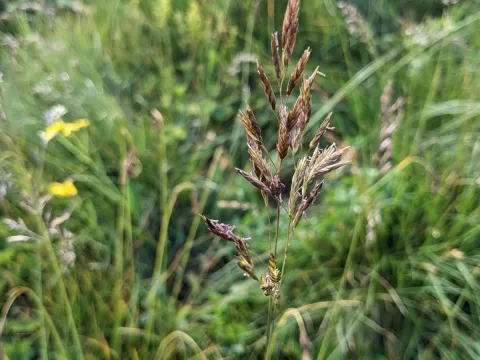
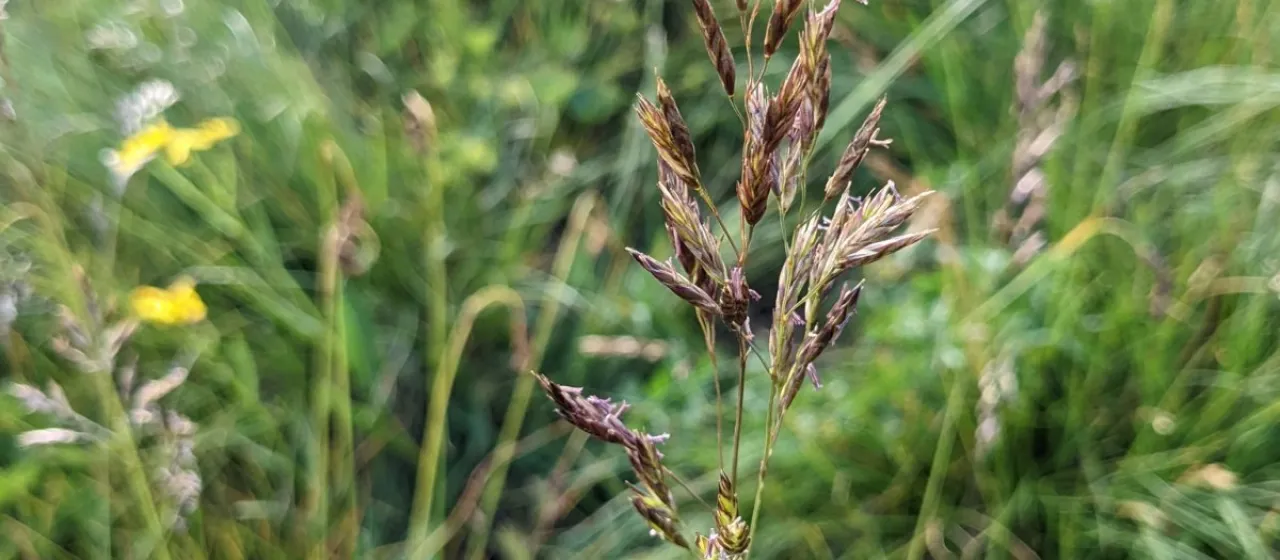
Botanically, Festuca varia is characterized by its narrow, tough, and durable leaves that form thick clumps. The culms are sturdy and grow to a moderate height, typically producing colorful, branched panicles that give the plant its specific appearance. Its root system is deep and expansive, providing excellent soil anchorage.
In terms of agricultural requirements, this species prefers well-drained, sandy or loamy soils. It is relatively slow to establish compared to other commercial grasses, so weed management during the seedling stage is critical. Once established, the stand becomes highly competitive and can persist for many years under proper management.
The primary use of Festuca varia is for grazing and hay production, especially in regions where standard forage grasses fail. It provides high-quality forage that is nutritious and palatable to livestock. Disease and pest risks are generally low, provided the grass is not subjected to excessive moisture or overgrazing, which can weaken the stands.
- Exceptional cold tolerance
- Strong erosion control capabilities
- High adaptability to mountain soils
- Long-term stand persistence
Photo gallery