Description
Violet fescue (lat. Festuca violacea) is a perennial grass species belonging to the Poaceae family. It is a prominent component of mountain vegetation, specifically adapted to the challenging environments of alpine and subalpine zones across European mountain ranges.
The origin and natural habitat of Festuca violacea are associated with high-altitude regions such as the Alps and the Carpathians. These areas are characterized by a short growing season, thin soils, and significant exposure to wind and cold. The plant has developed specific physiological adaptations to thrive in these conditions, making it a staple of high-altitude grasslands.
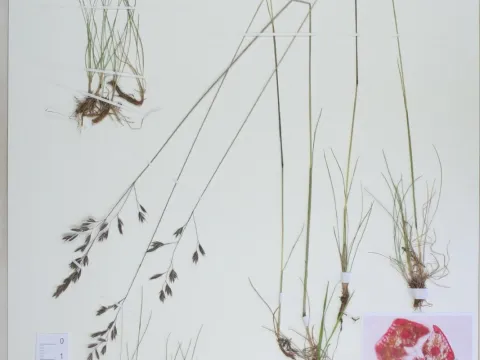
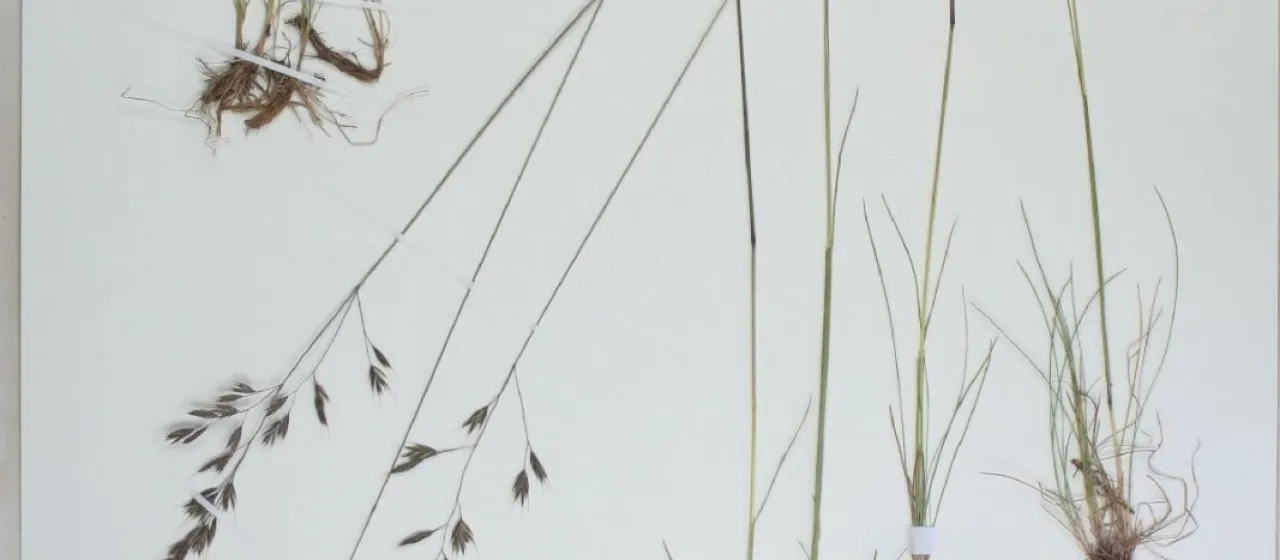
Botanically, this species is defined by its dense tussock-forming growth habit. The leaves are typically narrow and may display a distinct violet or glaucous tint, an adaptation to high UV exposure. Its root system is exceptionally robust, allowing it to anchor securely in thin, rocky soils and reach for nutrients in challenging terrain.
Regarding agricultural requirements, violet fescue prefers well-drained, nutrient-poor, or rocky soil conditions. It is highly resistant to harsh weather and does not require complex cultivation techniques. Once established, the grass is highly tolerant to grazing pressure, making it a reliable resource for livestock management in alpine farming.
Economically, the grass is valued primarily as a high-quality forage plant for sheep and cattle during the summer grazing season in high mountains. Furthermore, it plays a vital ecological role in soil conservation, as its dense root mat prevents erosion on steep slopes and stabilizes fragile mountain landscapes.
- Excellent cold tolerance and winter hardiness.
- High nutritional value for ruminant livestock.
- Superior erosion control for steep, rocky inclines.
- Resistance to typical rust fungi and fungal diseases.
Photo gallery