
Description
Viviparous fescue (Festuca vivipara) is a perennial grass species belonging to the Poaceae family. It is a highly specialized plant adapted to arctic and alpine climates, known for its distinct reproductive strategy where flower buds are replaced by vegetative plantlets, allowing for rapid colonization in environments where seed germination is difficult.
The distribution range includes mountainous regions and tundra landscapes across Europe and North America. As an agricultural object, this species is noted for its extreme hardiness and ability to thrive on rocky, nutrient-poor substrates. It serves as a biological model for understanding plant adaptation to low-temperature environments with short growing seasons.
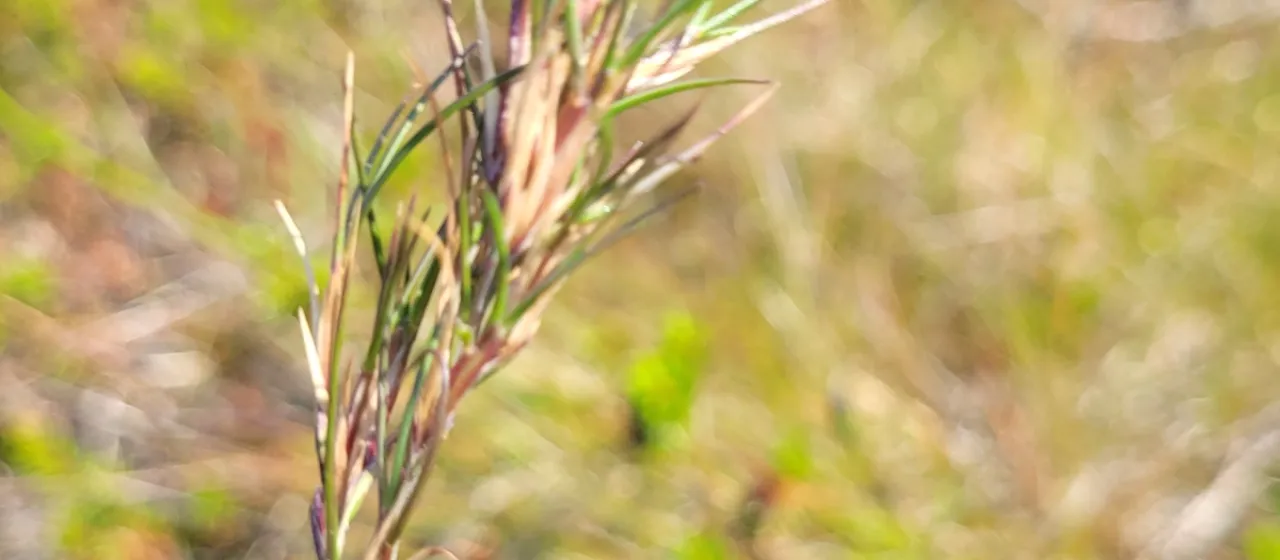
Botanically, the plant features narrow, bristly leaves forming compact tufts. The panicles do not produce typical seeds; instead, they develop small plantlets complete with root initials. Once these plantlets detach and land on moist soil, they establish quickly. This vegetative propagation strategy is a definitive evolutionary response to ensure the survival of the species in cold, windy conditions.
In terms of agricultural requirements, the species prefers well-drained, slightly acidic to neutral soils. It does not demand high nitrogen availability. Proper site selection is crucial: the grass requires full exposure to light and thrives best when protected from extreme waterlogging, which can lead to root degradation. It is generally low-maintenance compared to standard pasture grasses.
Key areas of application include:
- Restoration of degraded soils in mountainous areas.
- Soil stabilization and erosion control on slopes.
- High-altitude pasture development for grazing livestock.
- Ornamental use in rock gardens and cold-climate landscapes.
The plant is relatively resistant to pests, though it may occasionally be affected by rust fungi or mildew in environments with poor air circulation. Damage from insects is typically minimal, as the natural habitats of the species—high elevations and northern latitudes—do not support large populations of common agricultural pests.