
Description
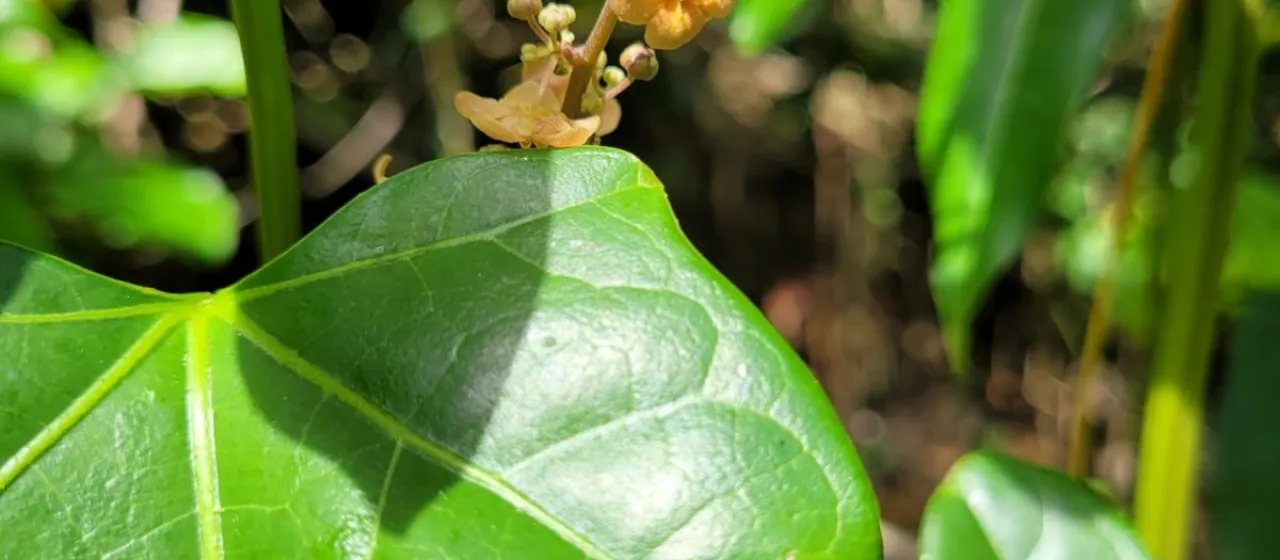
Fevillea cordifolia is a vigorous perennial vine belonging to the Cucurbitaceae family. It is recognized for its thick, woody stems and large, heart-shaped leaves, which allow it to climb high into the forest canopy in its native tropical habitats, effectively competing for sunlight.
The plant is native to the tropical regions of Central and South America. It thrives in humid environments where rainfall is consistent throughout the year. Its natural distribution ranges from the Caribbean islands to the dense rainforests of the Amazon basin, where it plays a role in the local ecology as a climber.
Botanically, Fevillea cordifolia features unisexual flowers and produce large, woody capsules containing numerous seeds. These seeds are notably high in lipid content, which has made them a subject of interest for both traditional medicine practitioners and modern agricultural researchers studying potential new sources of plant oils.
Cultivation of this species requires strict environmental control. It demands a tropical climate with temperatures that do not drop below 15-18°C. Soil should be well-drained, nutrient-rich, and kept consistently moist but not waterlogged. In a controlled agricultural setting, providing sturdy trellis systems is essential to manage the vine's rapid growth and ensure proper air circulation.
The primary economic interest lies in the seeds, which are traditionally used for their anti-inflammatory, antiseptic, and medicinal properties. Regarding pests and diseases, the plant is susceptible to various fungal pathogens under conditions of poor ventilation and excessive soil moisture, as well as infestation by sap-sucking insects common to tropical climates.
- Rich source of medicinal seed oils.
- Aggressive growth habit requiring strong support.
- Adaptability to high-humidity tropical zones.
- Traditional use as an antidote in indigenous medicine.