
Description
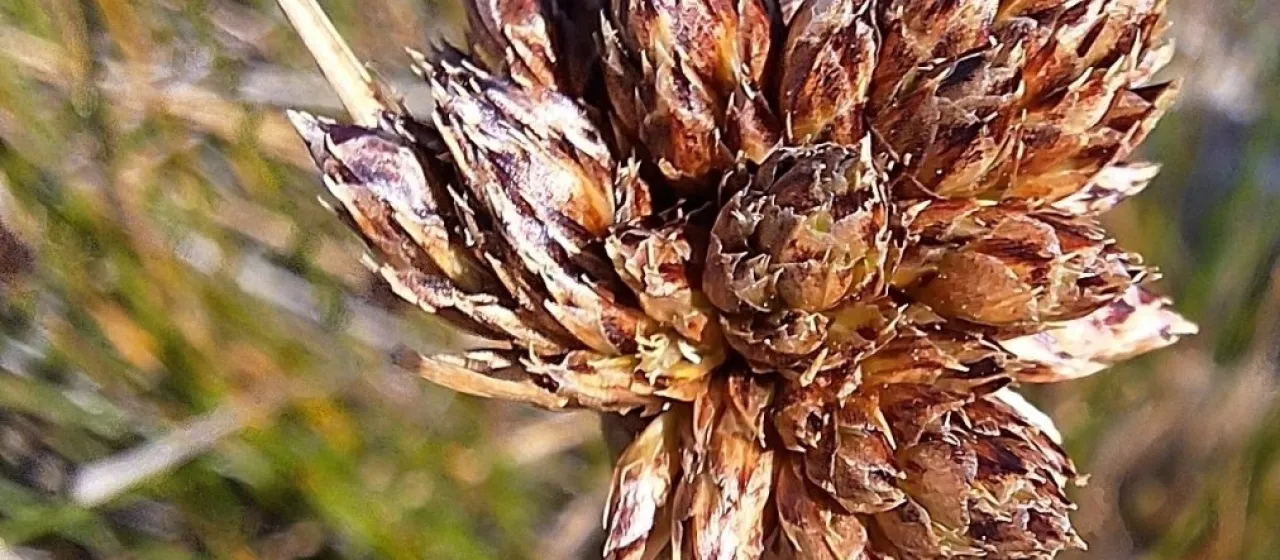
Ficinia indica is a perennial herbaceous plant belonging to the Cyperaceae (sedge) family. This species is recognized for its adaptive capabilities in challenging environments, often thriving in substrates that are nutritionally poor or physically unstable, where it plays a critical role in stabilization and ecological succession.
Botanically, Ficinia indica is characterized by dense, tufted growth habits and narrow, linear leaves that exhibit xerophytic adaptations to survive in arid or semi-arid conditions. Its root system is highly efficient at binding soil particles, which makes it a valuable species for maintaining the integrity of sandy landscapes and dune systems.
The climatic and soil requirements for this species are centered around well-drained, light-textured substrates. While it shows remarkable tolerance to salinity and low moisture, it thrives best in environments that allow for good aeration of the root zone. In agricultural practice, it is often utilized in areas where conventional crops would fail due to harsh climatic stress.
The primary economic and agricultural uses for this species are:
- Soil stabilization and erosion control projects.
- Restoration of degraded coastal habitats.
- Limited use as a fodder crop in extensive grazing systems where high-nutrient grasses cannot survive.
Regarding plant health, Ficinia indica is susceptible to various fungal pathogens that typically affect sedges in humid micro-climates, specifically those causing leaf spots or rot. Insect pests, including certain species of stem borers and root-feeding larvae, can also cause damage. Proper field management, including rotation and controlled irrigation, is essential to minimize these risks.