
Description
Fimbristylis dichotoma is a perennial or annual herbaceous plant belonging to the Sedge family (Cyperaceae). Often categorized as a wetland sedge, it is a significant species in tropical and subtropical agriculture, primarily recognized for its persistence in saturated soils and flooded environments such as rice paddies.
The plant has a cosmopolitan distribution throughout tropical and warm-temperate regions worldwide. It is frequently found along riversides, drainage ditches, and agricultural wetlands. Its ability to colonize diverse environments has made it a common sight across Asia, Australia, and parts of the Americas where high moisture levels persist.
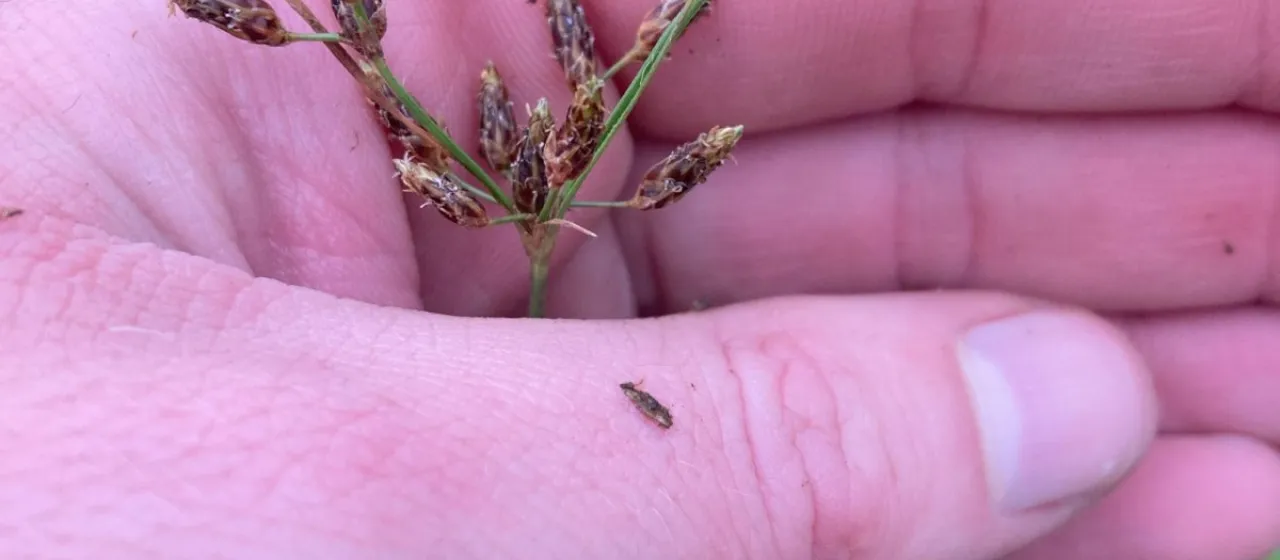
Botanically, the species is defined by its tufted habit and slender, linear leaves arising from the base. The inflorescence is a compound umbel or a dichotomously branched structure with small, brownish spikelets. The root system is fibrous and robust, allowing the plant to stabilize in loose, muddy substrates and compete effectively for nutrients.
Regarding cultivation and environmental requirements, Fimbristylis dichotoma thrives in high-moisture conditions and responds vigorously to nitrogen-rich soils. It is highly heat-tolerant, making it an aggressive competitor in irrigated crop systems. Management typically involves manual weeding, herbicide application, or precise water level regulation during the early stages of crop development.
- Tolerance to waterlogged and anaerobic soil conditions
- Rapid reproductive cycle via seed dissemination
- Strong capacity for soil moisture retention
- High adaptability to various soil pH levels
In terms of agricultural impact, the plant is often regarded as a weed that requires monitoring to ensure crop yields. However, it also offers ecological value by preventing soil erosion along embankments. While rarely cultivated as a commercial crop, its presence serves as an indicator of poor drainage or high humidity, guiding farmers in soil management practices.