
Description
Fimbristylis hispidula is a herbaceous perennial plant belonging to the Sedge family (Cyperaceae). Known for its resilience in wetland habitats, this species plays a crucial role in maintaining soil stability in areas characterized by high humidity and seasonal flooding.
The native range of this plant covers tropical and subtropical regions across Africa and Asia. It is widely distributed in diverse environments, ranging from riverbanks and marshlands to open grasslands where moisture levels remain consistent throughout the growing season.
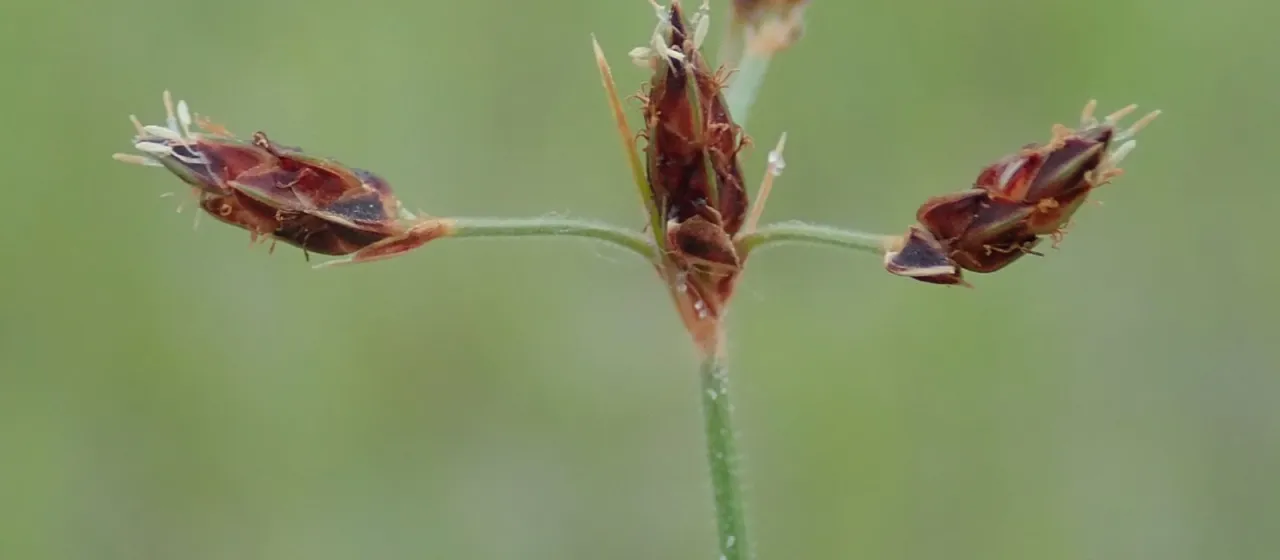
Botanically, Fimbristylis hispidula is distinguished by its dense tufted growth habit and stiff, bristly leaves, which give the plant its characteristic texture. The stems are typically erect, and the inflorescences consist of small, organized spikelets. Its root system is fibrous and deep, allowing the plant to anchor effectively in loose, water-saturated soils.
In terms of agricultural and environmental requirements, the plant thrives in full sun with high water availability. It is adaptable to a variety of soil types, though it performs best in slightly acidic to neutral soils that provide sufficient drainage despite the high moisture content. It is well-adapted to the high temperatures found in its tropical range.
While not a primary commercial crop, Fimbristylis hispidula serves as a component of wild pastures for grazing animals. Its hardiness makes it a subject of interest in ecological restoration projects targeting wetland areas. Regarding pathology, typical issues include susceptibility to moisture-related fungal pathogens when ventilation is poor, though the species is generally robust in its natural habitat.