
Description
Fingerhuthia africana is a resilient perennial grass species belonging to the Poaceae family. Known for its ability to thrive in challenging environments, this plant serves as a vital component of natural grasslands and has been recognized for its potential in agricultural forage management.
Native to Southern and Eastern Africa, the plant is well-adapted to savanna ecosystems and arid regions. Its natural distribution includes diverse landscapes where it functions as a primary producer, supporting local livestock and wildlife populations through its durability and sustained growth in low-rainfall periods.
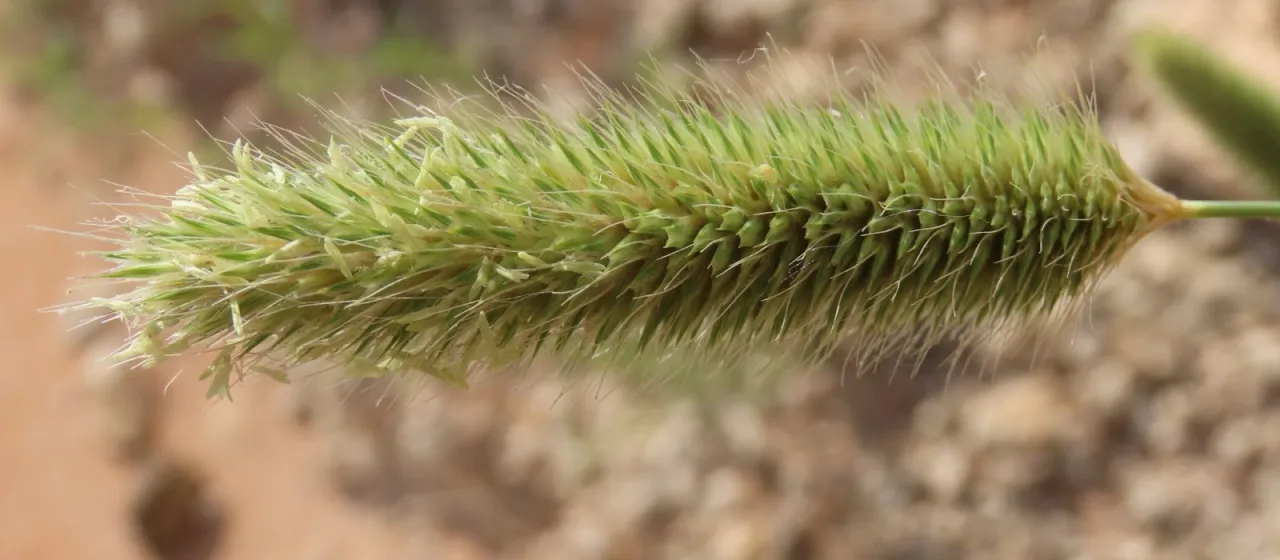
Botanically, Fingerhuthia africana is characterized by its dense tuft-forming habit, which creates a protective root mat that helps prevent soil erosion. The leaves are typically narrow and tough, while the inflorescence is a distinct, compact, spikelike panicle. These traits are evolutionary adaptations to cope with intermittent water availability and high solar radiation.
Agronomic requirements for this species include well-drained soil types, such as sandy or loamy soils. It demonstrates remarkable tolerance to various climatic stresses, including heat and drought. Proper cultivation techniques involve minimizing waterlogging and ensuring adequate space between plants to allow for sufficient root development and crown expansion.
In terms of agricultural utility, this grass is primarily valued as a reliable forage crop for cattle and sheep, particularly in pastoral systems. While its stems may become coarse during the late stages of growth, the nutritional value remains acceptable for foraging animals. Disease management involves monitoring for fungal pathogens like rusts, while pest control focuses on managing local locust and grasshopper populations that can cause significant damage to the foliage.