
Description
Firmiana malayana is a significant tropical tree species belonging to the Malvaceae family, specifically the Sterculioideae subfamily. It is recognized for its unique biological structure and its role as a botanical component in the lush ecosystems of Southeast Asia, where it serves as a key species in forest diversity.
Originating from the dense forests of the Malay Peninsula, this tree thrives in humid, tropical environments. Its geographical range is restricted to areas that maintain consistently warm temperatures throughout the year. It does not tolerate frost or cold stress, making it exclusive to tropical agricultural zones or specialized glasshouse conditions.
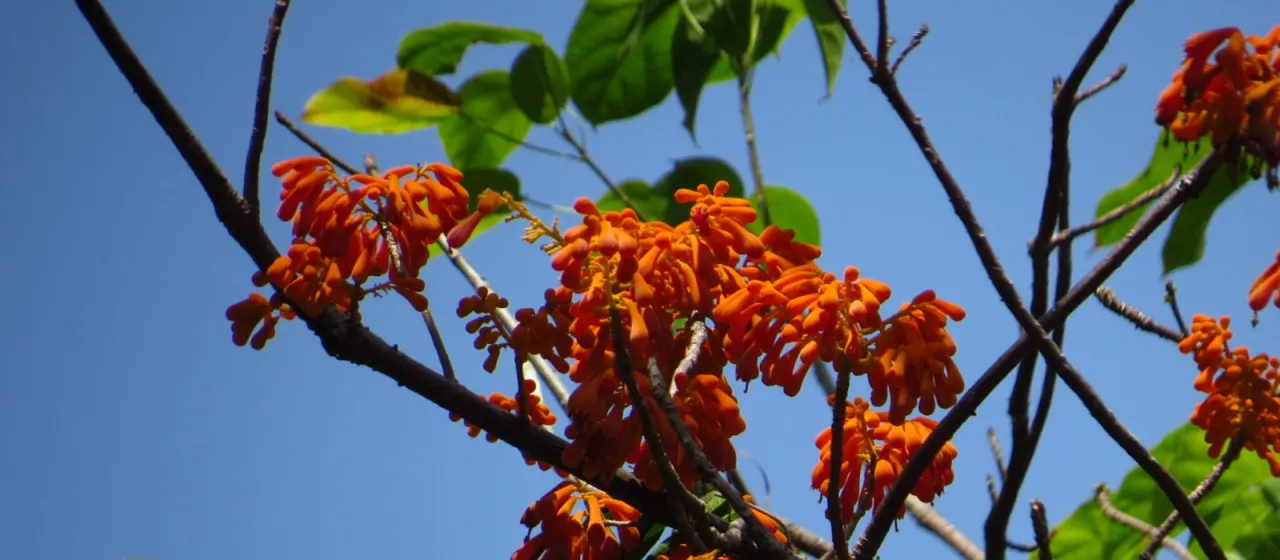
Botanically, Firmiana malayana is characterized by its distinct large leaves and efficient canopy development. The tree undergoes periodic flowering, often shedding leaves to produce vibrant inflorescences. Its fruit, appearing as papery follicles, contains seeds that are vital for the natural regeneration of the species in its native habitat.
For successful cultivation, the tree requires well-drained, nutrient-rich volcanic or alluvial soils. Agricultural management involves strict irrigation protocols to maintain soil moisture levels and the application of organic mulch to mimic the forest floor environment. Protection from strong winds is essential during the early stages of plant development to prevent physical damage.
The economic and practical utility of Firmiana malayana is primarily focused on ornamental horticulture and landscape restoration projects. While its wood quality is specific to lighter applications, its main value lies in ecological aesthetics. Disease management is critical, with common issues including root rot caused by poor soil drainage and infestation by wood-boring insects, which necessitate integrated pest management strategies.