
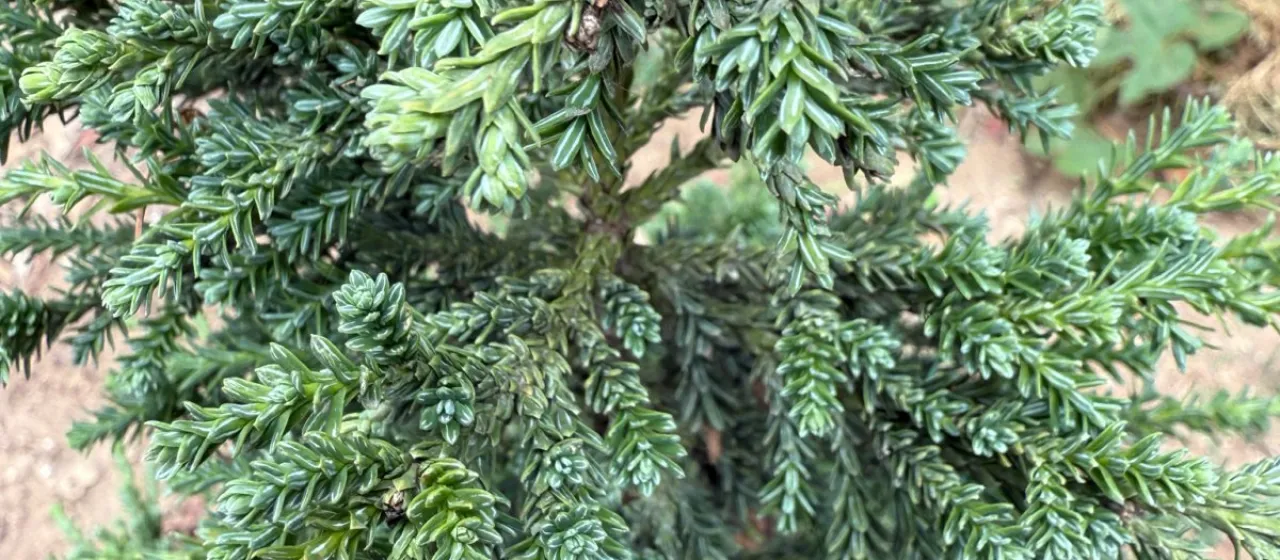
Description
Fitzroya cupressoides, commonly known as Alerce or Patagonian cypress, is a magnificent conifer belonging to the Cupressaceae family. It is the only member of the genus Fitzroya and is celebrated for its incredible longevity, with some specimens living for several thousand years. This species represents a significant biological legacy of the South American temperate rainforests.
The tree originates from the Andes mountains in southern Chile and Argentina. It naturally grows in high-precipitation environments characterized by cool, wet climates. Because of the historically high demand for its rot-resistant timber, wild populations have faced significant pressure, leading to strict conservation measures that regulate its extraction and promote its protection in botanical gardens.
Botanically, it features a conical crown with scale-like leaves and produces small, woody cones. The wood is renowned for its exceptional durability, density, and fine, straight grain. Its root system is exceptionally deep, which provides stability in the rugged mountainous terrain of its native habitat, allowing it to withstand severe wind and rain events.
Cultivation requires specialized knowledge, as the species has a very slow growth rate. It thrives in well-drained, acidic soils rich in organic matter. Agricultural practices focus on maintaining consistent moisture levels and providing a humid environment, as the plant is highly sensitive to drought and heat stress. Proper soil aeration is crucial to prevent root rot, which is the primary challenge in artificial propagation.
- Climate: Maritime temperate, high humidity.
- Soil: Deep, well-drained, acidic forest soil.
- Light: Full sun to light shade depending on the stage of growth.
- Propagation: Usually via seeds, requiring stratification to improve germination rates.
In terms of agricultural and forestry use, the species is currently managed primarily for conservation rather than commercial timber production. Its primary role is in ecological restoration and as a flagship species for temperate rainforest biodiversity. Typical pests include various bark beetles and wood-boring insects, while root pathogens are common if soil drainage is inadequate or if the tree is grown in stagnant water conditions.