
Description
Yellow flaveria (Flaveria bidentis) is an annual plant species within the Asteraceae family. Known primarily for its status as a persistent weed, it has gained attention in botanical research due to its advanced C4 photosynthetic pathway, which allows it to thrive in high-temperature environments where other plants might struggle.
Originating from South America, particularly the temperate and subtropical zones of Argentina, Brazil, and Uruguay, this species has successfully spread to various continents. Its adaptability has allowed it to become established in diverse ecosystems, often invading crop fields, pastures, and disturbed land, where it competes directly with essential agricultural products.
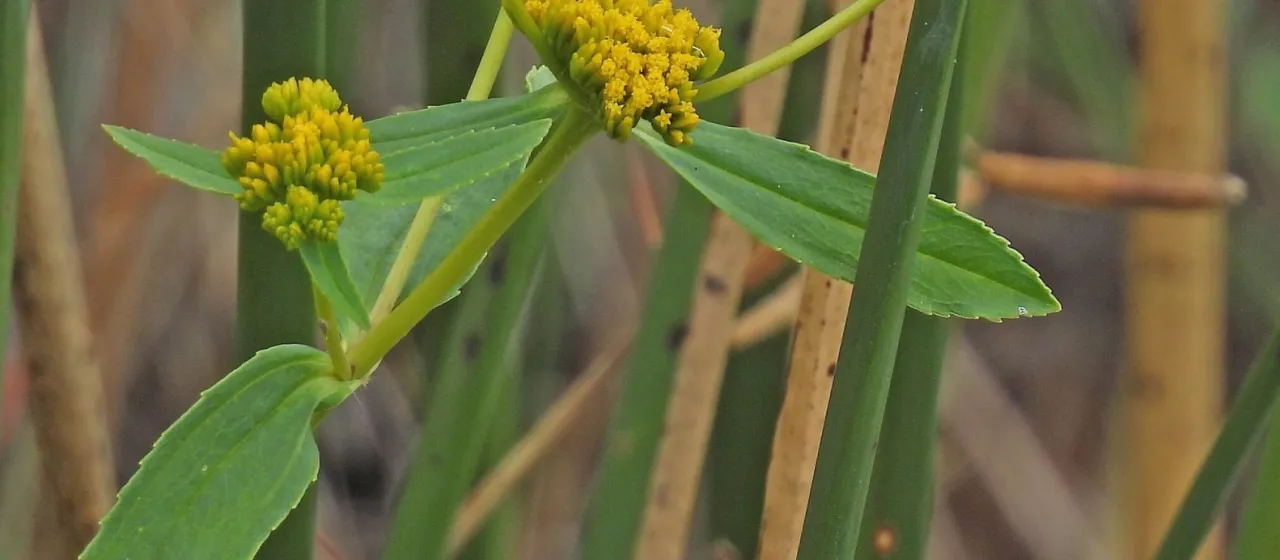
From a botanical perspective, the plant is characterized by a bushy growth habit, reaching heights of up to one meter. It features opposite leaves with serrated margins and small, yellow flower heads arranged in cymes. This structure enables the plant to produce a vast quantity of seeds, which are easily disseminated by wind, water, and agricultural machinery.
Environmental requirements for Flaveria bidentis include significant sunlight exposure and well-drained soils. While it shows remarkable tolerance to drought, it is sensitive to prolonged frost. Agrotechnical management involves a combination of pre-emergent herbicide application, deep tillage, and crop rotation to disrupt the germination cycle and reduce the seed bank in the soil.
The economic impact of the species is generally negative, as it necessitates increased expenditure on weed management for farmers. However, in controlled scientific environments, it serves as a valuable model organism for studying plant carbon fixation and stress resistance mechanisms. Efforts to utilize the biomass for industrial purposes are currently in experimental stages and are not widely practiced.
- High seed production and rapid colonization.
- Effective competition with cash crops for light and water.
- Notable metabolic efficiency through C4 photosynthesis.
- Significant invasive risk in irrigated agricultural areas.