
Description
Flaveria trinervata is an annual herbaceous plant belonging to the Asteraceae family. Known primarily for its unique physiological efficiency, this species is a subject of scientific interest due to its C4 photosynthetic pathway, which allows it to thrive in environments with high temperatures and high light intensity, maintaining higher growth rates compared to C3 plants.
Native to the Americas, this plant is commonly found in tropical and subtropical regions. It typically colonizes wet or disturbed habitats, including fields, roadsides, and meadows. Its adaptive nature has allowed it to expand its range, showing significant resilience to variations in soil quality and climatic shifts across its distribution area.
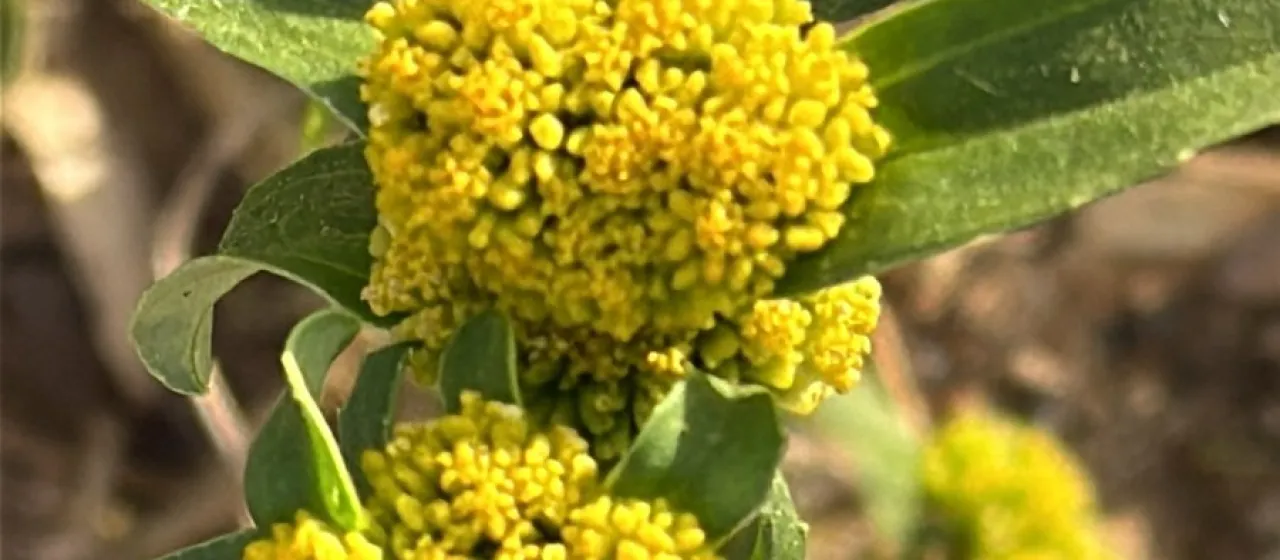
Botanically, Flaveria trinervata is characterized by its distinct, three-nerved leaves from which the specific epithet is derived. The plant typically reaches heights between 20 and 60 centimeters. It produces small, bright yellow flower heads clustered together, which are highly efficient in attracting pollinators, ensuring the successful production of a large quantity of small seeds.
Cultivation and management of this plant require attention to soil drainage and sun exposure. It prefers fertile, moist, and well-drained soils. In an agricultural setting, it is often managed as a weed due to its aggressive seeding habits. Effective control strategies include mechanical cultivation and strategic soil moisture management to inhibit germination, as the plant relies on consistent moisture levels during the early growth stages.
Potential economic and scientific uses include:
- Utilization in physiological studies of C4 photosynthesis mechanisms.
- Investigation into phytochemical compounds for potential antioxidant properties.
- Evaluation of biomass production for phytoremediation purposes in specific soil types.
Typical plant health issues involve susceptibility to fungal infections, particularly under conditions of poor air circulation and high humidity, which can lead to damping-off in younger specimens. Common pests include aphids and leaf-eating insects that can significantly reduce leaf surface area. Integrated pest management, focusing on biological controls and proper site sanitation, is recommended to maintain the health of the plant population.