
Description
Fleroya ledermannii is a perennial tropical tree belonging to the Rubiaceae family. Historically associated with the genus Mitragyna, this species has been reclassified into the Fleroya genus based on modern botanical studies. It is highly regarded in the tropical regions of Africa for both its economic potential and its significant role in local medicinal traditions.
The native range of this plant is concentrated in the tropical zones of Central and West Africa. It thrives in diverse environments, including riparian zones, swampy forests, and areas with high annual precipitation. Its ability to colonize wet and nutrient-rich soils makes it an essential component of the local forest ecosystem, helping to stabilize riverbanks and wetlands.
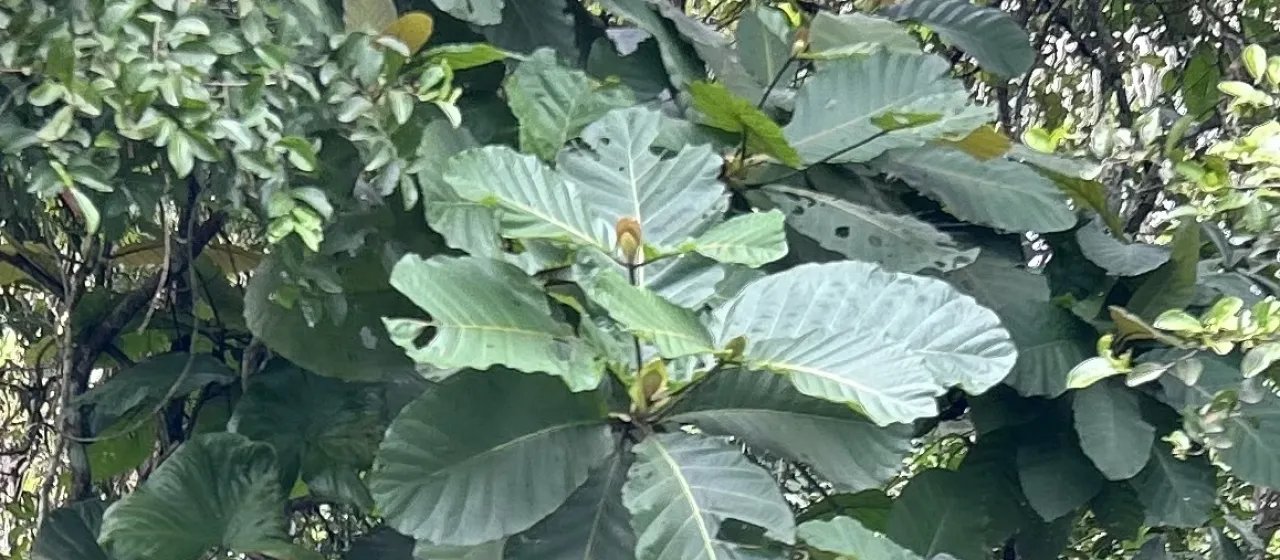
Botanically, the plant is characterized by its woody habit, opposite leathery leaves, and distinct spherical flower heads. The inflorescences are typical for the Rubiaceae family, facilitating effective pollination in dense forest understories. The root system is deep and expansive, providing stability in saturated soils and allowing the tree to extract nutrients efficiently in competitive environments.
Cultivation of Fleroya ledermannii requires specific tropical conditions, specifically consistent high temperatures and high soil moisture content. The soil should be fertile, organic-rich, and slightly acidic. During the initial growth stages, it is critical to provide partial shade to protect young plants from intense direct sunlight, which can cause leaf desiccation.
- Thrives in high-humidity tropical climates.
- Contains bioactive alkaloid compounds.
- Used in local construction and furniture making.
- Sensitive to long-term soil compaction.
Regarding management, the main challenges for growers include mitigating the spread of fungal root pathogens in stagnant water conditions and controlling regional insect pests that target the foliage. Proper plantation management involves regular monitoring of soil acidity and moisture levels to maintain optimal growth rates. Despite these challenges, the species remains a valuable resource for forestry and pharmacological research.