
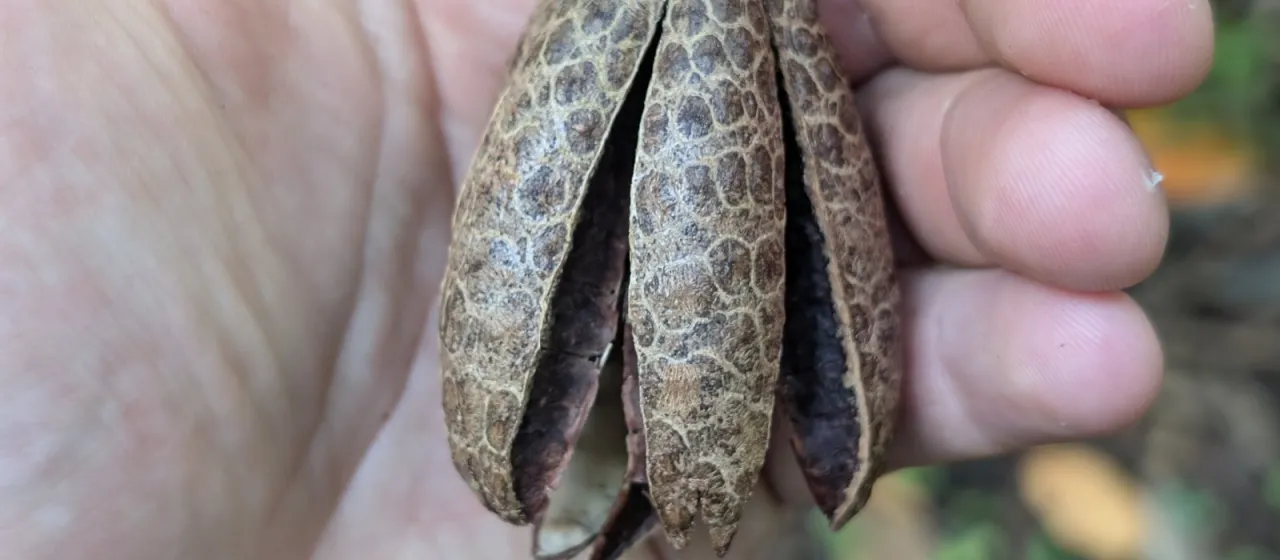
Description
Flindersia brayleyana, commonly known as Queensland maple, is a prominent tree species belonging to the family Rutaceae. Despite its common name, it is not a true maple but a valuable timber-producing tree native to the tropical rainforests of Queensland, Australia. This species is highly regarded for its aesthetic wood quality and has been adopted as an important forestry crop in suitable tropical environments.
The tree thrives in tropical climates characterized by high annual rainfall and consistent temperatures. Its native habitat is restricted to regions where the ecosystem provides deep, fertile soils and a humid atmosphere. When cultivated, it requires similar conditions to sustain rapid growth, making it a sensitive species that does not tolerate frost or prolonged drought periods during its juvenile stage.
Agricultural practices for this species focus on site selection and early growth management. Soils should be deep and well-drained to prevent root suffocation, a common issue in heavier clay soils. Proper spacing is essential to allow for crown development, as the species requires significant access to sunlight to maximize timber volume. Maintenance includes the removal of weeds that compete for nutrients and water in the early years of the plantation cycle.
The primary economic value of Flindersia brayleyana lies in its high-quality timber. The wood is lightweight, strong, and possesses a fine, straight grain that takes a high polish. It is a preferred material for high-end furniture manufacturing, cabinet making, and the construction of acoustic elements in musical instruments. The demand for sustainable sources of this timber ensures the species remains a viable commercial crop.
Health management of the plantation requires vigilance against common tropical pests, particularly those that target foliage. Fungal infections, such as root rot, can also pose a risk if the drainage systems on the plantation site are poorly managed. Adopting a preventative approach, including monitoring soil health and ensuring adequate air circulation between trees, is crucial for achieving high-quality timber yields and maintaining long-term forest health.