
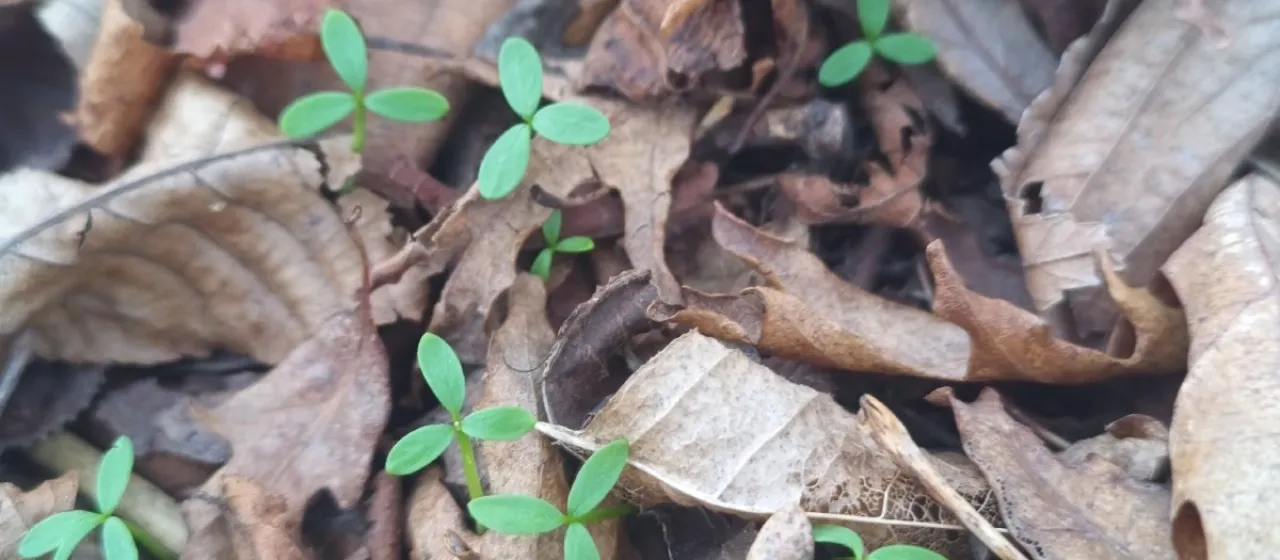
Description
False mermaidweed (Floerkea proserpinacoides) is an annual herbaceous plant belonging to the family Limnanthaceae. This species is recognized as a unique botanical specimen, often studied by ecologists for its role as a spring ephemeral in damp, forested environments across North America.
The origin of this plant is strictly North American, with its natural range spanning from the southern parts of Canada to the temperate regions of the United States. It typically occupies niche environments, favoring floodplains, wet woods, and sheltered stream banks where the soil remains consistently moist throughout the early spring.
Botanical features include a fragile, lax stem that can reach heights of up to 15 centimeters, and thin, deeply divided leaves. The flowers are solitary, tiny, and white, appearing in the leaf axils. The plant’s life cycle is remarkably short; it completes its entire growth, reproduction, and seed dispersal process before the forest canopy closes and summer heat arrives.
Agronomic requirements for this species are specific to its native habitat. It thrives in rich, moisture-retentive soils and requires significant shade. Because it is not a commercial crop, there is no standardized agricultural practice for it; however, conservationists focus on maintaining high soil humidity and undisturbed leaf litter layers to support its growth.
Key biological factors and observations:
- High sensitivity to soil compaction and drought conditions.
- Rapid phenological cycle synchronized with spring thaw.
- Preference for neutral to slightly acidic forest soils.
- Dependence on specific forest microclimates for successful pollination.
- Limited agricultural utility beyond ornamental or ecological research.
The plant is generally resistant to major pests due to its short life cycle, which allows it to escape the peak activity periods of most common insects. Diseases are rare in stable populations, but the species remains vulnerable to habitat destruction and environmental degradation, which pose a greater threat than biological factors like fungi or pathogens.