
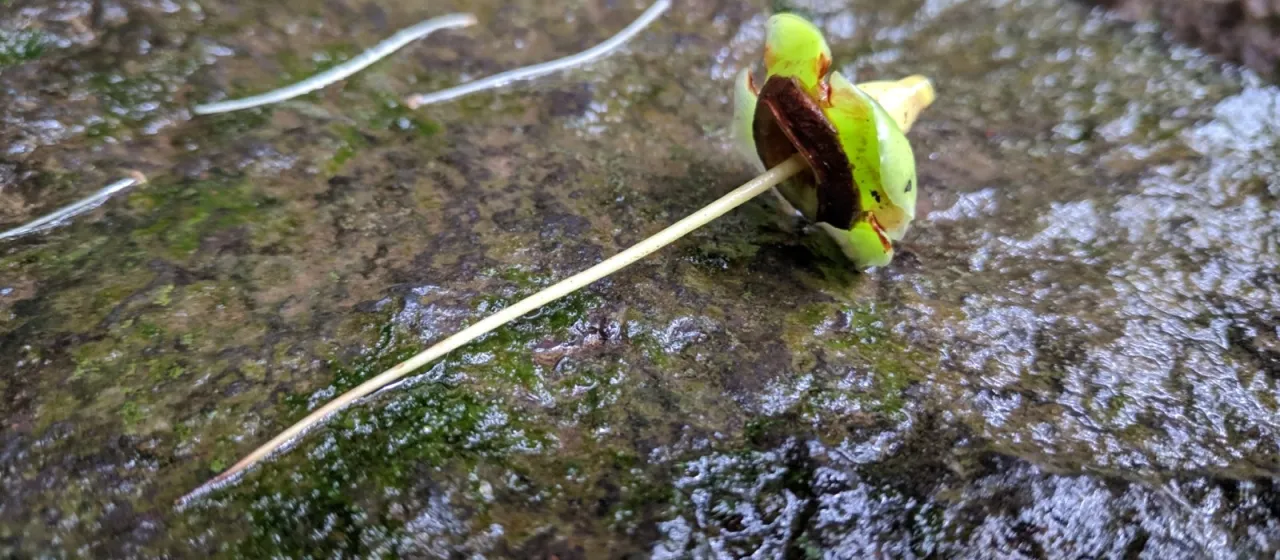
Description
Foetidia mauritiana is a distinctive tree species belonging to the family Lecythidaceae. Known for its botanical rarity, this plant represents a fascinating subject for tropical horticulture and biodiversity preservation, primarily thriving in its native island environments.
The origin of the species is traced back to the island of Mauritius, where it serves as a characteristic element of the local flora. Its cultivation area is generally restricted to tropical botanical gardens and specialized conservation programs, as it requires highly specific environmental parameters for sustainable growth.
Botanically, Foetidia mauritiana is characterized by its evergreen canopy and thick, leathery leaves. One of its most notable traits is the strong odor emitted by its bark and wood, a feature that distinguishes it from other species within the Lecythidaceae family. The flowers are distinctive for their lack of petals, relying on specialized structures for reproduction.
The cultivation of this plant requires careful attention to soil composition, favoring nutrient-rich, well-draining mediums with acidic to neutral pH levels. Agrotechnical management involves maintaining consistently high ambient humidity and ensuring that the root system is protected from cold stress and waterlogging, which are critical for the tree's health.
- Light requirement: Full sun to partial shade.
- Soil type: Rich, organic loams with excellent drainage.
- Propagation: Primarily through seeds under controlled greenhouse environments.
Regarding its хозяйственное use, the tree is highly valued for its durable wood, which has been historically utilized in local construction and traditional craftsmanship. Beyond its practical use, the plant holds significant scientific value for researchers studying endemic species and the evolutionary history of the Lecythidaceae family.
The primary threats to Foetidia mauritiana include fungal pathogens that thrive in humid tropical conditions, leading to root rot or leaf spot diseases. Integrated pest management, including regular inspection and the use of appropriate fungicides or biological control agents, is essential to maintain a healthy growth cycle in a controlled cultivation setting.