
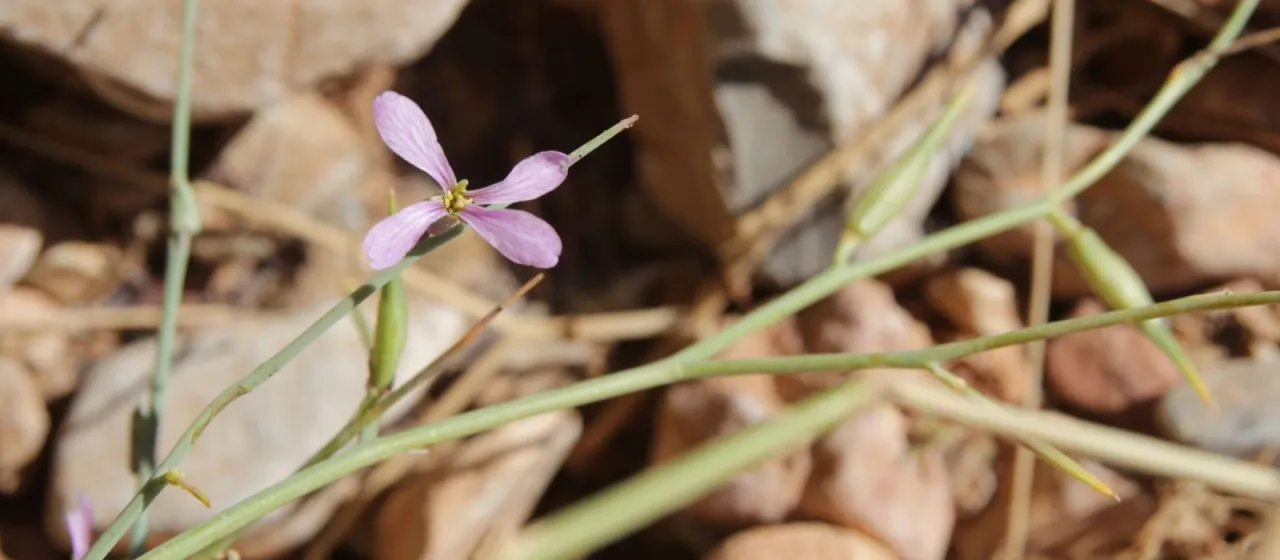
Description
Foleyola billotii is a specialized plant species classified under the family Brassicaceae. This plant is recognized for its unique adaptations to harsh arid environments, making it a subject of significant interest in botanical studies regarding the resilience of cruciferous flora.
The origin of Foleyola billotii is traced back to the desert regions of North Africa, specifically within Algeria. Its natural habitat is defined by extreme heat and erratic precipitation, forcing the plant to develop specialized mechanisms to thrive in sandy or rocky soils that offer minimal nutrient content.
Botanically, this species is characterized by its compact morphology and a root system optimized for moisture absorption in extremely dry substrates. The reproductive phase is highly synchronized with the rare favorable weather conditions, ensuring that the plant completes its life cycle before the onset of extreme heat or prolonged drought.
In terms of agricultural requirements, Foleyola billotii demands well-aerated, sandy soil with excellent drainage properties. Cultivation efforts must prioritize low-moisture environments and avoid excessive irrigation to prevent root rot. While standard agronomic protocols for commercial scale are currently experimental, precise moisture control remains the most critical factor for successful growth.
- Requires well-draining, loose soil structure.
- Sensitive to excessive nitrogen fertilization.
- Prone to typical cruciferous pests such as flea beetles.
- Vulnerable to fungal root pathogens if moisture levels are too high.
The primary хозяйственное (economic) utility of this plant lies in its potential for crop improvement programs. By studying its genetic tolerance to abiotic stress, researchers aim to improve modern agricultural crops. Typical challenges involve managing standard Brassicaceae pests and maintaining the delicate balance of soil drainage to prevent decay.