
Description
Fortune's Fontanesia (Latin: Fontanesia fortunei) is a deciduous ornamental shrub belonging to the Oleaceae (olive) family. Named after the plant collector Robert Fortune, this species is noted for its graceful appearance and status as a unique botanical specimen within gardens that feature diverse woody plants.
Originating from China, the plant is naturally adapted to temperate climates with distinct seasons. Its native habitat typically includes wooded areas and riverbanks. Since its introduction to Western horticulture, it has been valued by gardeners for its structural elegance and adaptability to temperate zone gardening conditions.
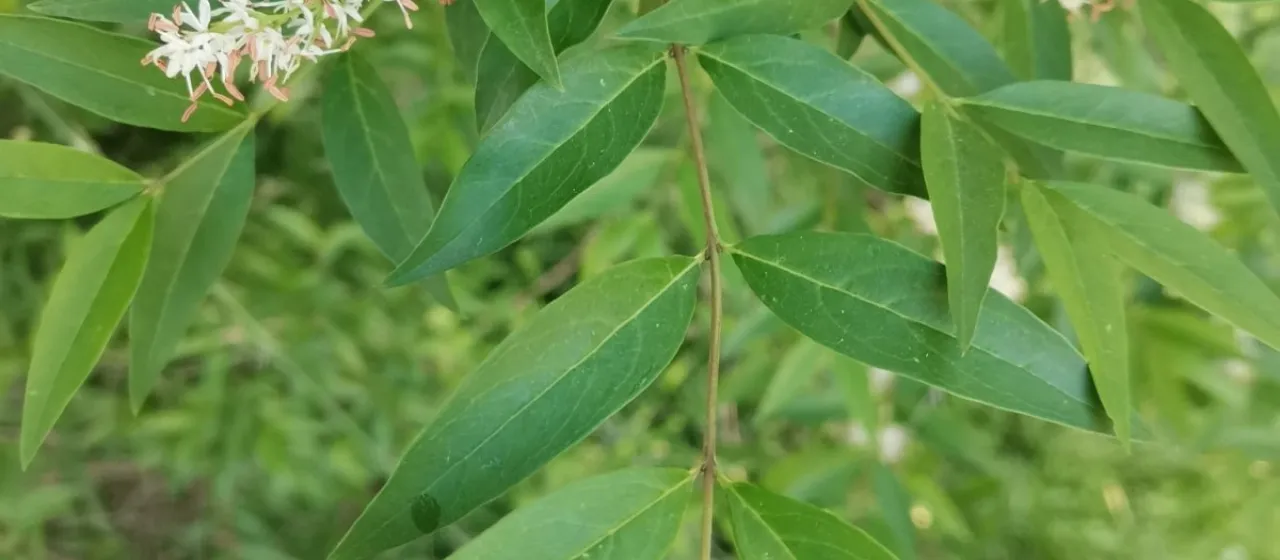
Botanically, this shrub grows to a height of 2–4 meters, characterized by its slender, arching branches and lanceolate, opposite leaves. During late spring, it produces small, creamy-white flowers arranged in loose terminal panicles. The plant is prized for its fine-textured foliage that provides a soft, elegant look in a landscape setting.
The cultivation requirements for Fontanesia fortunei are generally straightforward for experienced gardeners. The plant thrives in well-drained, fertile soil and prefers positions with full sun to partial shade. Key agricultural practices include:
- Routine pruning to maintain shape and remove dead wood.
- Supplemental irrigation during dry spells to prevent drought stress.
- Application of balanced slow-release fertilizers in early spring.
- Mulching the root zone to conserve moisture and regulate soil temperature.
In terms of хозяйственного (utilitarian) and landscape use, the plant is primarily utilized as a decorative element. It works well in mixed shrub borders or as a informal hedge. Fortune's Fontanesia is generally robust; however, it can occasionally be affected by aphids or powdery mildew, which should be managed with standard horticultural practices and preventive care to maintain plant vigor.