Green-stem forsythia
Forsythia viridissima Lindl.
Description
Green-stem forsythia (Forsythia viridissima) is a deciduous shrub species belonging to the Oleaceae family. It is highly valued in horticulture for its intense, golden-yellow flowers that emerge along the stems in early spring, often before the foliage develops, marking the beginning of the gardening season.
The plant is native to China, specifically found in eastern provinces. It has been introduced to various temperate regions across the globe. Due to its adaptability, it is widely utilized in public parks and private landscapes as an ornamental feature, thriving in temperate zones with well-defined seasonal changes.
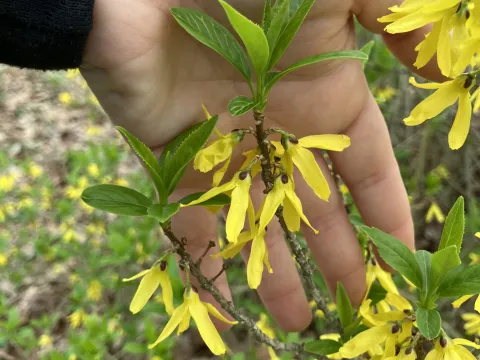
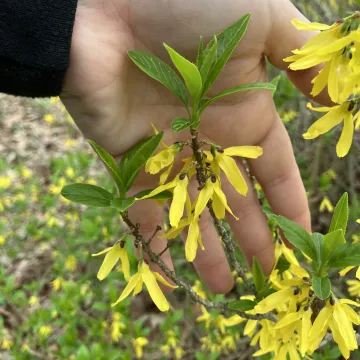
Botanically, this species is characterized by its distinct green-colored stems, which persist throughout the growing season. The leaves are typically lanceolate, dark green, and sometimes trifoliate. The flowers appear in clusters, providing a brilliant color display that serves as a primary source of nectar for early-season pollinators.
For optimal growth, the plant requires a sunny, sheltered location with fertile, well-draining soil that is slightly alkaline or neutral. The essential agricultural practices include moderate irrigation during dry spells and a structured pruning regimen performed annually immediately after flowering to ensure dense branching and prolific blooms the following year.
- Requires full sun for best flowering results
- Needs regular pruning to maintain shape
- Sensitive to waterlogged soils
- Generally pest and disease resistant
- Prefers moderate mulching in colder climates
In landscaping, it is commonly used for hedges, mass plantings, or as a focal point in spring borders. While generally robust, it can be susceptible to bacterial blights or aphid infestations under poor growing conditions. Proper maintenance and adequate ventilation are key to keeping the shrub healthy and vigorous.
Photo gallery