
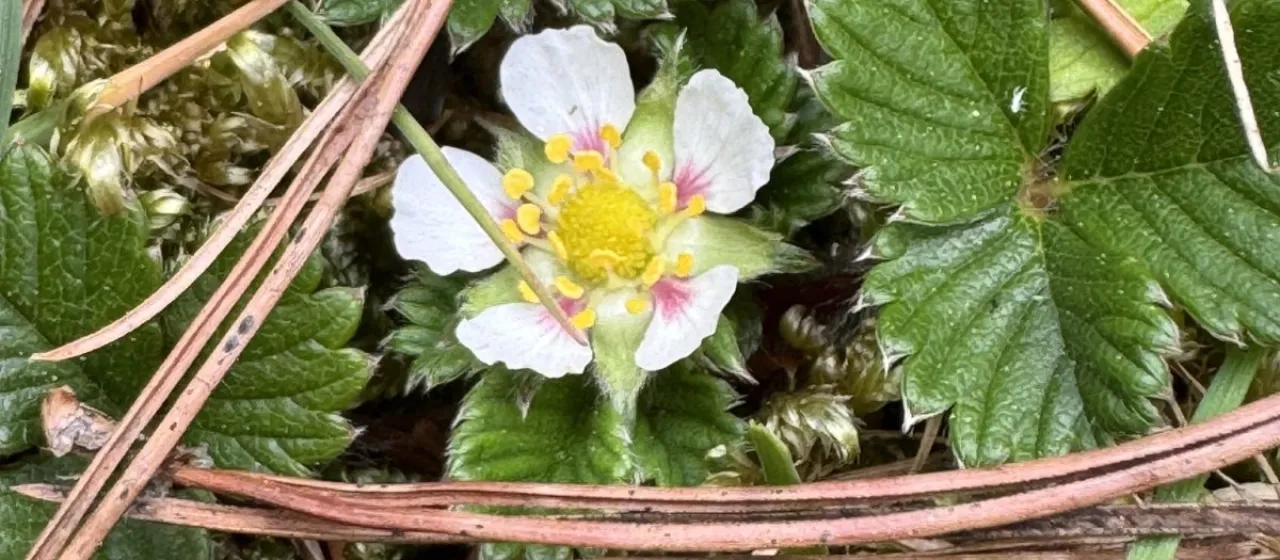
Description
The Nilgiri strawberry (Fragaria nilgerrensis) is a herbaceous perennial plant belonging to the Rosaceae family. Often referred to as the Himalayan strawberry, it is a fascinating subject for both botanists and horticulturalists due to its distinct genetic profile and specific physical characteristics compared to common garden varieties.
The native range of this species extends across the mountainous regions of South and Southeast Asia, including parts of India, China, and Nepal. It thrives in high-altitude forest ecosystems where the climate is characterized by high humidity, cool temperatures, and filtered sunlight, providing a specialized niche for its growth.
Botanically, the plant is recognized by its dense trichomes (hairs) covering the leaves and petioles. Its fruit is generally smaller than domesticated counterparts, featuring a unique color palette ranging from creamy white to pale pink. The plant produces runners, allowing it to propagate effectively in its native understory environment.
Regarding cultivation requirements, Fragaria nilgerrensis demands well-drained, humus-rich soil and prefers environments that mimic its natural habitat. It is sensitive to excessive heat and direct solar exposure, making greenhouse or shade-house management essential for maintaining plant vigor and ensuring fruit development.
The primary agricultural and scientific value of this species lies in its role in strawberry breeding programs. Its natural resistance to certain pathogens and environmental stresses makes it a valuable asset for genetic research, aiming to incorporate these traits into modern cultivars to enhance sustainability and disease resistance in global strawberry production.
- Family: Rosaceae
- Native Habitat: High-altitude forests of Asia
- Cultivation focus: Shade, moisture management, soil organic content
- Primary use: Genetic research and breeding