
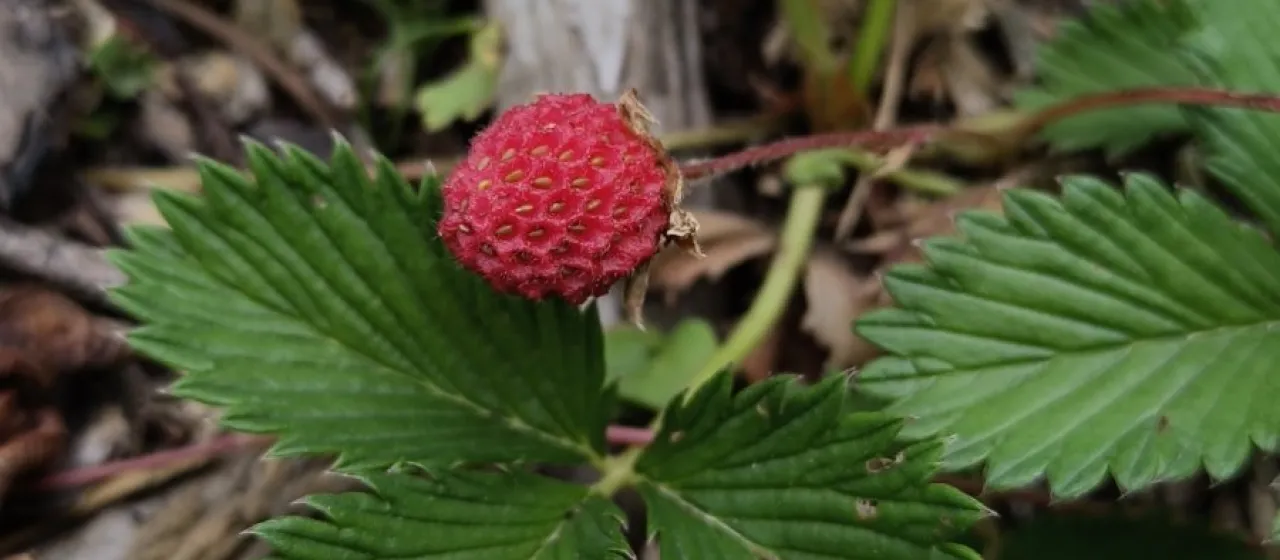
Description
Fragaria nubicola is a perennial herbaceous plant belonging to the Rosaceae family. Often referred to as a wild mountain strawberry, this species is specifically adapted to high-altitude environments, which distinguishes it from lowland wild strawberry varieties. Agronomically, it serves as a crucial reservoir of genetic diversity for developing climate-resilient strawberry cultivars.
The native range of Fragaria nubicola is primarily restricted to the Himalayan mountain range, spanning parts of Nepal, Bhutan, and India. In these regions, the plant thrives in cool, alpine meadow habitats. These environmental origins grant the plant a high tolerance for temperature fluctuations and specialized light conditions found at high elevations.
Botanically, the plant is characterized by a compact growth habit, producing runners for vegetative propagation. Its leaves are generally serrated and pubescent, an adaptation designed to retain moisture and survive the harsh conditions of its alpine home. The fruits are relatively small, yet they possess an intense flavor profile, which makes them highly desirable for culinary experimentation and breeding programs.
Cultivating Fragaria nubicola requires careful attention to its ecological preferences. It demands well-draining, humus-rich soil and prefers cooler ambient temperatures. Heat stress is the primary limiting factor in cultivation, as the species is not adapted to high temperatures or drought. Proper site selection, emphasizing partial shade, is essential for maintaining plant vigor throughout the growing season.
- Soil type: Rich, moist, and well-draining loam.
- Exposure: Partial shade or filtered sunlight.
- Irrigation: Consistent moisture, avoiding waterlogged soil.
- Mulching: Essential for root protection and moisture retention.
- Pest management: Monitor for aphids and spider mites in enclosed growing areas.
The agricultural potential of Fragaria nubicola lies mainly in its role within specialized berry production and its use as a genetic source for stress resistance. Beyond its functional role in plant breeding, it is increasingly appreciated in horticultural circles as a unique species for rock gardens and cold-climate gardening projects where standard strawberries might struggle.