
Description
Virginia strawberry (Fragaria virginiana) is a perennial herbaceous plant belonging to the Rosaceae family. It is widely recognized in agriculture and botany as one of the two parent species of the modern garden strawberry, having significantly contributed to its global cultivation and popularity among consumers.
The plant is native to North America, where it thrives in diverse environments ranging from prairies to woodland edges. This broad geographical distribution demonstrates the species' exceptional adaptability to varying soil types and climate conditions, making it a robust model for studying environmental resilience in small fruit crops.
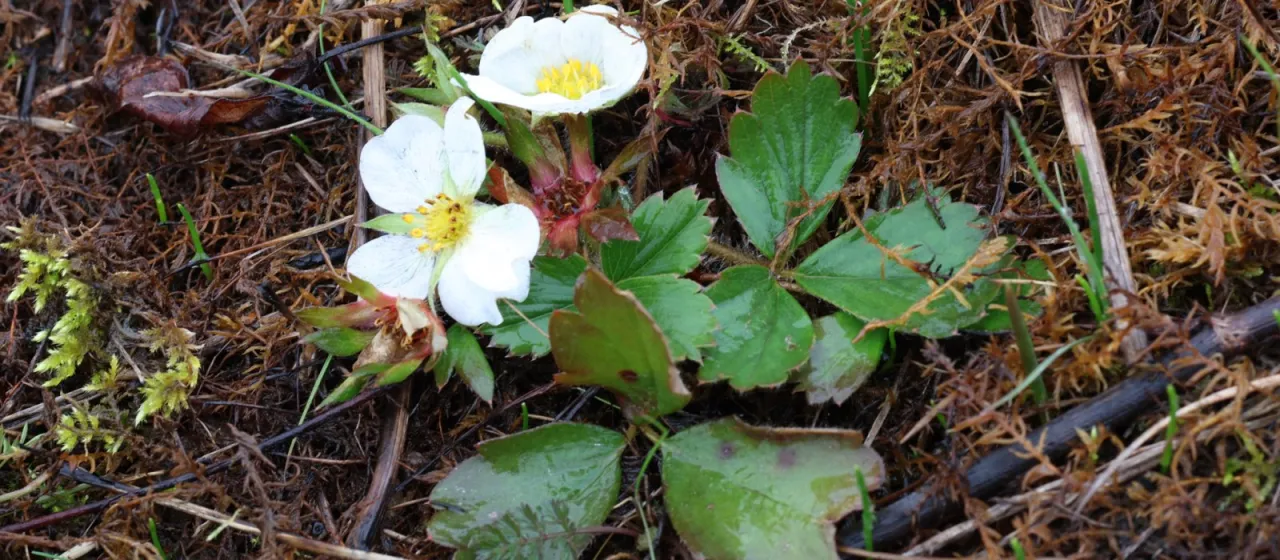
Botanically, it is characterized by trifoliate leaves, low-growing growth habit, and the production of stolons, commonly known as runners, which facilitate effective asexual reproduction. The flowers are typically white and bloom in spring, developing into small, deep-red fruits known for their intense, sweet, and complex aromatic profile.
Regarding agricultural requirements, Fragaria virginiana prefers well-drained, slightly acidic soils rich in organic matter. While it is hardy and relatively low-maintenance, optimal yield is achieved through regular hydration and mulching to preserve soil moisture. It is particularly valued for its natural resistance to many common fungal diseases found in commercial berry production.
The primary economic use of this species today is within plant breeding programs. Its genetics are highly prized for conferring cold-hardiness and disease resistance to modern cultivars. Additionally, its intense flavor remains a target for breeders looking to improve the sensory characteristics of commercial strawberry varieties, ensuring the plant's continued relevance in modern horticulture.
- Excellent cold tolerance
- Strong runner production
- Natural disease resistance
- Superior aromatic profile