
Description
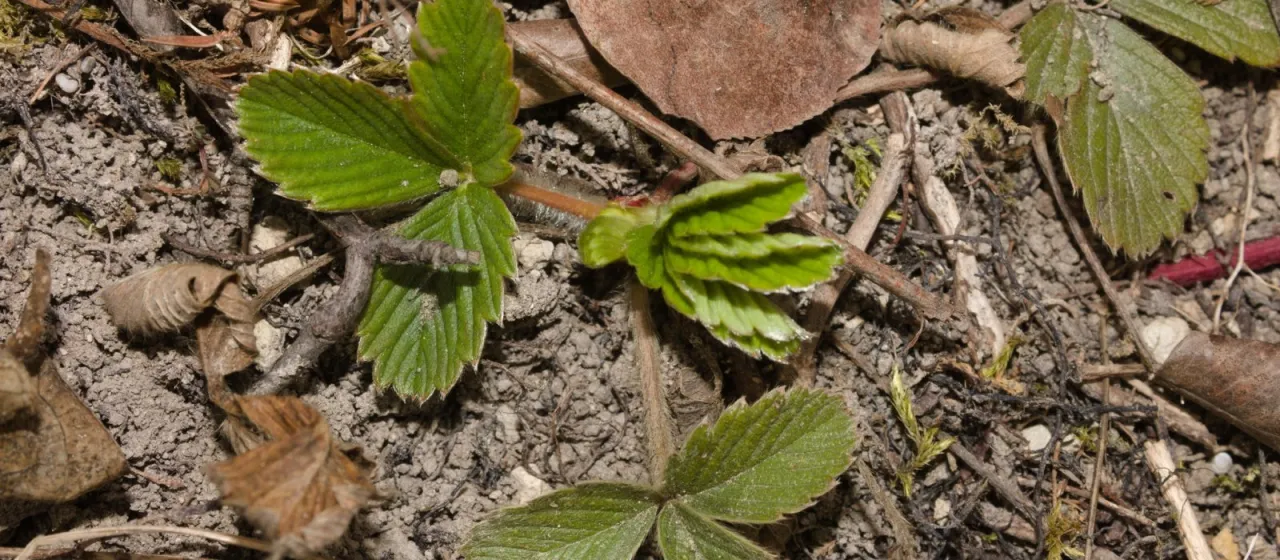
The green strawberry (Latin Fragaria viridis) is a herbaceous perennial plant belonging to the Rosaceae family. Often referred to as the steppe strawberry or musk strawberry, it is a wild species distinguished by its unique musky fragrance and high adaptability. Its botanical traits differentiate it from common garden varieties, particularly in leaf texture and fruit ripening patterns.
Originating from temperate regions across Europe, Central Asia, and parts of Siberia, this species typically thrives in open, dry meadows, hillsides, and limestone-rich soils. It is well-documented as a pioneer species in xerothermic grasslands. Its natural resilience to cold winters and hot, dry summers makes it a subject of interest for climate-resilient agriculture.
Botanically, Fragaria viridis is characterized by hair-covered stems and calyxes that stay firmly attached to the fruit. The fruit color remains yellowish-green or greenish-white even when ripe, with only the sun-exposed side developing a reddish hue. Despite the visual perception of being unripe, the berries possess a sweet, musky flavor profile highly valued by connoisseurs.
Agricultural requirements for this plant focus on soil structure rather than high irrigation. It demands well-drained, slightly alkaline soil and full sun exposure to thrive. Overwatering is the primary cause of plant failure, leading to root rot. Successful cultivation involves mimicry of its natural habitat: avoid compacted soils and ensure that the root zone is well-aerated throughout the growing season.
The economic and research significance of this species includes:
- Gene bank conservation for future strawberry breeding programs.
- Phytochemical research into its antioxidant and aromatic properties.
- Niche production for gourmet or specialized artisanal food markets.
- Integration into sustainable landscaping and pollinator-friendly garden designs.
Pathological concerns are generally lower than in commercial cultivars, but susceptibility to leaf spot fungi and powdery mildew increases in stagnant air environments. Pest management should focus on early monitoring for mites and weevils. Organic cultural practices, such as maintaining proper plant spacing to facilitate airflow, remain the most effective methods for disease suppression.