
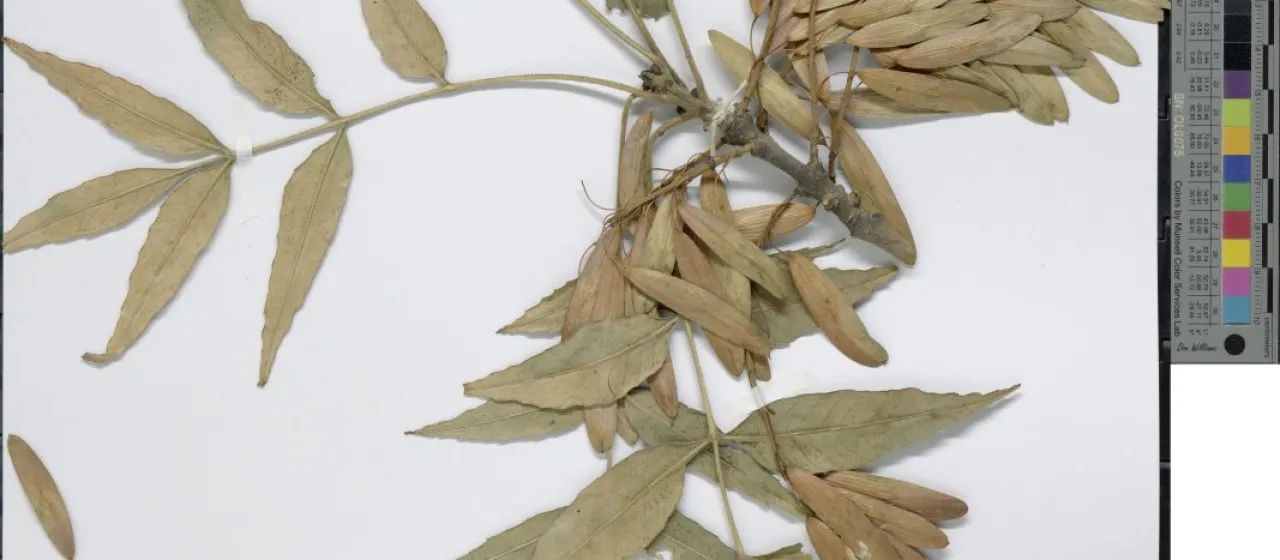
Description
Fraxinus holotricha, commonly known as the hairy ash, is a deciduous tree belonging to the Oleaceae family. This species is recognized for its unique morphological features and its ability to thrive in specific temperate zones, making it an interesting subject for both botanical study and arboriculture.
The native distribution of Fraxinus holotricha spans Southeastern Europe and parts of Western Asia. It typically inhabits forest margins, river valleys, and mountain slopes, where it has evolved to cope with various environmental pressures. Its range suggests a preference for regions with distinct seasons and moderate precipitation levels.
Botanically, the species is defined by dense pubescence on its young shoots and the undersides of its leaves, which provides a silvery appearance and protects the plant from excessive moisture loss. The tree features pinnately compound leaves and produces samara fruits that are efficiently dispersed by wind, ensuring successful natural regeneration in favorable environments.
Successful cultivation requires attention to soil composition and water management. Fraxinus holotricha thrives in deep, fertile soils that offer good drainage, as it is susceptible to root rot in waterlogged conditions. While the tree shows moderate tolerance to environmental stress, optimal growth is achieved in sunny locations with protection from strong, desiccating winds.
In terms of practical application, this species is frequently employed in parklands and urban forestry for its aesthetic appeal. The timber is noted for its strength and resilience, comparable to other ash species. Gardeners must remain vigilant against common pathogens, particularly fungal blights and the emerald ash borer, which represent the primary management challenges for this genus.